






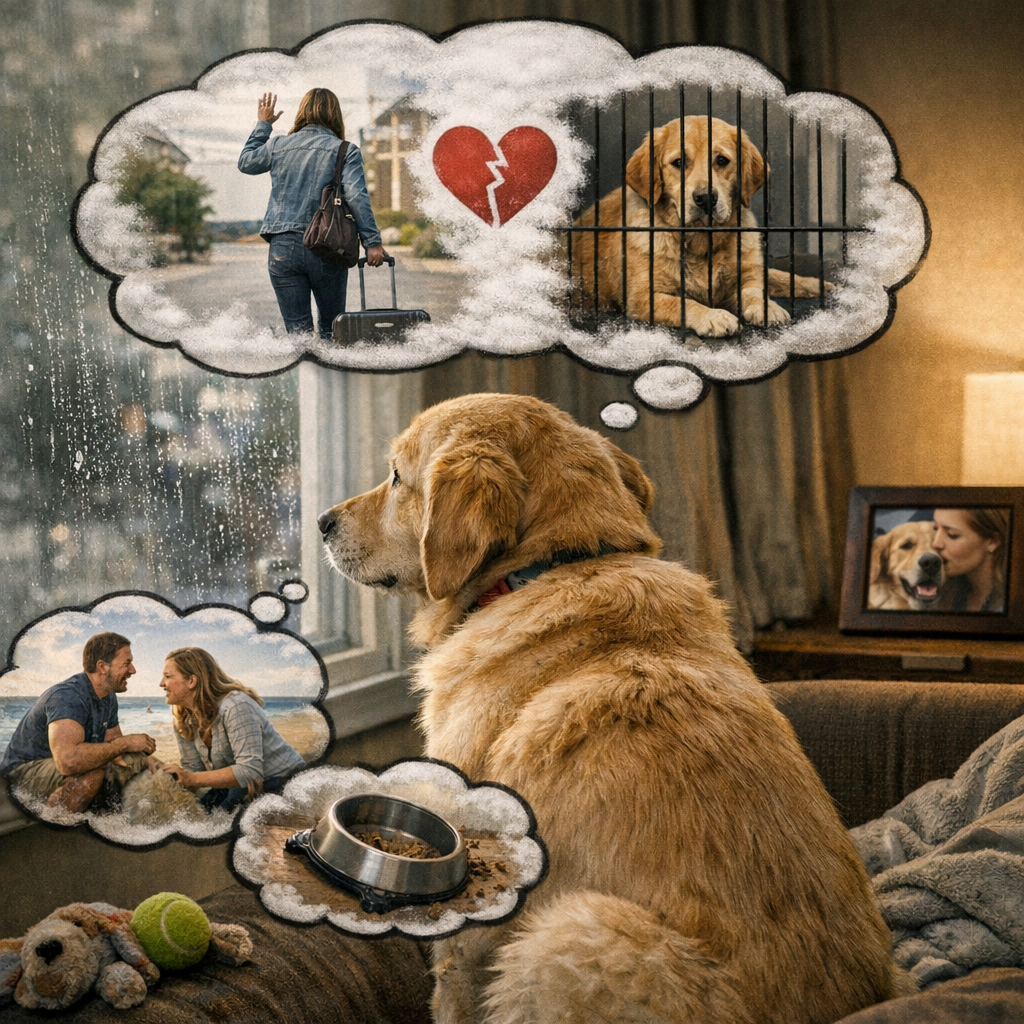
**What Happens Inside a Pet’s Mind When You Leave Home?**
**Introduction: Understanding Your Pet’s Emotions When You’re Away**
If you’re a pet parent, you’ve probably felt a pang of guilt leaving your furry friend behind each morning. Whether your companion is a curious cat, a loyal dog, or even a clever parrot, you might wonder: what happens inside a pet’s mind when you leave home? Pets, much like people, have emotional worlds. Exploring their state of mind while you’re away helps strengthen your bond and ensures their happiness and well-being.
**Separation Anxiety: More Common Than You Think**
Separation anxiety is not exclusive to humans. Many pets experience discomfort, stress, or even anxiety when their favorite person leaves. Dogs are particularly prone, displaying behaviors like whining, scratching at the door, chewing items, or pacing. Cats may seem independent, but some quietly mourn your absence, withdrawing or exhibiting changes in eating and litter habits. Birds might vocalize more or pluck their feathers out of distress.
**The Role of Routine and Attachment**
Pets are creatures of habit. Daily routines give them a sense of security. When you leave home, a predictable routine – like feeding before you go or leaving a special toy – can comfort your pet. Animals form deep attachments with their humans, and sudden changes in your presence can leave them confused and anxious. They may not understand where you’ve gone, but they sense the change.
**Sensory Experiences: How Pets Perceive Your Absence**
Your pet’s world is rich in scent, sounds, and sights. Dogs have an incredible sense of smell. They may sniff around for your scent after you leave, finding comfort in your worn t-shirt or the blanket you used. Cats depend more on familiar sounds; the quiet house may make them feel lonely, while some pets even watch out the window, awaiting your return. The familiar hum of your voice or footsteps is missing, making the environment feel strange.
**Coping Mechanisms: How Pets Deal with Being Alone**
Animals develop unique behaviors to cope with solitude. Dogs might nap near your favorite spot or engage with toys to curb boredom. Some pets entertain themselves by watching birds outside or even watching TV shows made for pets. Chewing, digging, or vocalizing can be signs of both boredom and stress, and excessive displays may require your attention.
**How You Can Help Your Pet Feel Secure**
Understanding your pet’s emotional needs is key to reducing anxiety. Here are simple steps you can take:
– Offer toys and puzzles that keep them engaged.
– Leave behind a piece of clothing with your scent.
– Use technology like pet cameras to interact while away.
– Offer treats or enrichment activities before leaving.
– Gradually accustom them to longer absences to reduce stress.
A calm goodbye and a rewarding routine for alone time can make a big difference.
**Conclusion: Nurturing Your Bond, Even When Apart**
Knowing what goes on inside your pet’s mind when you leave home helps foster empathy and patience. By preparing them for your absence and understanding their needs, you nurture an even stronger connection. Every animal is unique – some relish alone time, while others prefer company. With a little effort, you can ensure your time apart is as stress-free as possible.
For pet parents looking for smarter ways to care for their beloved animals, consider exploring Luccy. Powered by AI, Luccy supports you in understanding and meeting your pet’s essentials smoothly – from feeding advice to enrichment ideas. Give your pet the happiest, healthiest life, whether you’re at home or away.