
Night Routine for Pets: Better Sleep Habits
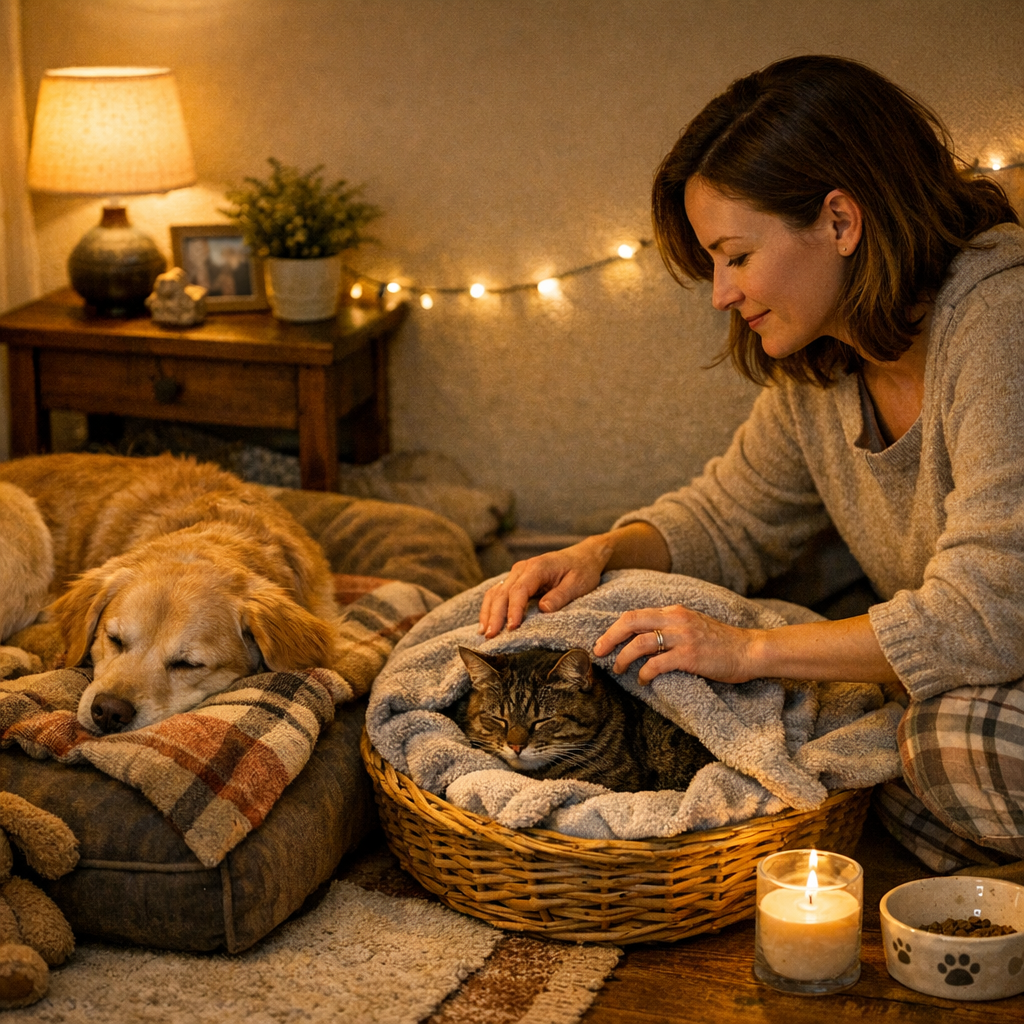
Night Routine for Pets: Better Sleep Habits
Introduction
Just like humans, pets need a good night’s sleep to stay healthy and happy. Developing a consistent night routine for your pets can help improve their overall well-being, regulate their sleep cycles, and foster positive behavior. Whether you have a playful puppy, a curious cat, or any other furry friend, implementing better sleep habits is essential for their physical and emotional health. In this blog post, we will explore how to establish a calming night routine for your pets and why it’s important for their rest.
Why a Night Routine is Important for Pets
Pets thrive on routine. Having a predictable schedule reduces anxiety and helps pets feel secure. A good night routine signals to your pet that it’s time to wind down, promoting restful sleep and preventing common nighttime issues like excessive barking, restlessness, or meowing.
Benefits of a Sleep Routine for Pets:
– Improves behavior by reducing nighttime hyperactivity
– Supports their immune system through quality sleep
– Strengthens the bond between you and your pet
– Helps manage separation anxiety
Steps to Creating a Calming Night Routine for Pets
1. Set a Consistent Bedtime
Try to put your pet to bed at the same time every night. This regularity helps them anticipate when it’s time to settle down, just as it does for people. Consistency will make bedtime easier for both you and your furry companion.
2. Provide Evening Exercise
Before bedtime, allow your pet enough time for active play or a walk. Burning off excess energy helps them unwind and prevents restless nights. For dogs, a 20-minute walk or fetch session can be beneficial. For cats, interactive toys or laser pointers can do the trick.
3. Offer a Light Snack
A small, healthy snack before bedtime can keep your pet from feeling hungry overnight. Avoid heavy meals right before bed to prevent digestive issues.
4. Create a Comfortable Sleep Environment
Ensure your pet’s bed is clean, cozy, and located in a quiet space. Provide familiar blankets and toys for comfort. Dimming the lights signals bedtime and encourages sleep. Make sure the temperature is comfortable for your pet.
5. Limit Stimulation Before Bed
Reduce potentially exciting or stimulating activities as bedtime approaches. Avoid loud noises, rough play, or introducing new toys at night. Calming, gentle interactions are best for winding down.
6. Bathroom Breaks
For dogs, take them out for a final bathroom break just before bed. This reduces accidents and helps them sleep through the night peacefully.
7. Relaxation Time
Consider incorporating calming routines, such as gentle petting, soft music, or even aromatherapy designed for pets. These activities can help lower stress and prepare your pet for sleep.
Common Nighttime Issues and How to Address Them
Some pets may experience anxiety or have trouble settling down. Signs include pacing, whining, barking, or destructive behavior. To help, maintain the bedtime routine consistently, reassure your pet with your presence, and consult your veterinarian if sleep disturbances persist.
Remember that pets with medical issues, puppies, or elderly animals may need special accommodations, so always tailor your routine to their individual needs.
Conclusion
Developing a structured night routine can make a significant difference in your pet’s sleep quality and overall happiness. By setting a consistent bedtime, promoting relaxing activities, and creating a peaceful sleep environment, you are ensuring your pet enjoys restful nights and healthier days.
At Luccy, we understand how important your pet’s well-being is to you. That’s why our app is here to help with pet care essentials, offering personalized insights and recommendations powered by AI. Explore how Luccy can assist you in making your pet’s nights even more soothing and restful — because every pet deserves sweet dreams.