Can Pets Get Addicted to Screens or Sounds?
**Can Pets Get Addicted to Screens or Sounds? Exploring the Truth**
**Introduction**
In today’s digital era, our daily lives are intertwined with screens, whether it’s smartphones, TVs, or computers. It’s common to find ourselves glued to our devices, but what about our furry friends? As you binge-watch your favorite show or play a video game, you might have noticed your cat chasing moving images, or your dog barking at certain sounds from the TV. This has sparked an important question for pet owners—can pets get addicted to screens or sounds?
If you’ve ever wondered about the impact of digital media on your pets, this blog will take you through the research, potential risks, and safe practices to ensure both entertainment and well-being for your beloved companions.
**Can Pets Actually Get Addicted to Screens?**
Addiction, in the clinical sense, relates to a compulsive pattern of behavior that becomes difficult to control. For humans, screen addiction is a growing concern, but for pets, the science is less clear. While there aren’t many studies documenting true “screen addiction” in pets, some animals do seem particularly attracted to moving images or repetitive sounds from electronic devices.
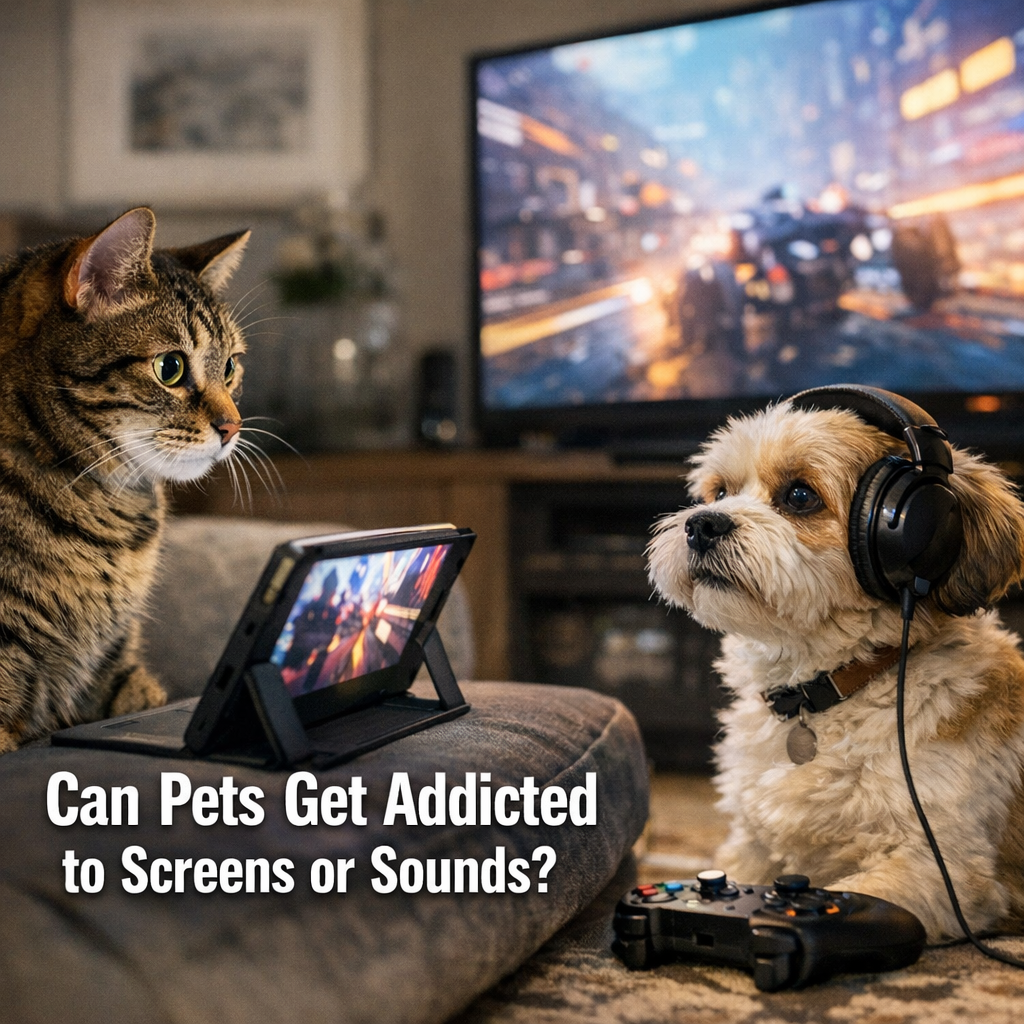
Dogs, for example, might react to animals or exciting movements on television, sometimes barking or wagging their tails. Cats may try to “catch” fish moving across a screen. Birds have even been known to sing along to ringtones or chirp at device sounds. While engaging, these behaviors are typically playful or instinct-driven rather than a sign of addiction.
**Why Are Pets Attracted to Screens and Sounds?**
Pets are naturally drawn to stimuli that mimic the natural environment. Flickering images, fast movement, and interesting sounds can resemble prey, rivals, or companions. Dogs often react to high-pitched noises or squeaks, which they associate with toys or small animals. Cats, with their hunter instincts, find darting movements on screens irresistible.
Sounds also play a crucial role. Certain pitches, music, or repeated noises from phones, alarms, or televisions can spark curiosity or even anxiety in pets. More playful pets may even develop a “preference” for certain programs or jingles, prompting owners to think their furry friend has a favorite show.
**Potential Risks of Excessive Exposure**
While occasional interaction with screens or exposure to digital sounds is generally harmless, too much can be problematic. Here are a few reasons to moderate your pet’s digital time:
1. **Reduced Physical Activity:** If pets are focused on screens, they may become less inclined to move and exercise, leading to weight gain and boredom.
2. **Behavioral Changes:** Excessive exposure can sometimes make pets overstimulated, anxious, or even frustrated, especially if they can’t physically interact with what they see or hear.
3. **Sleep Disruption:** Like humans, bright screens or constant noise can disrupt your pet’s natural sleep patterns, impacting their health and mood.
4. **Missed Social Interaction:** Real-life interaction with owners, other pets, or the natural environment is crucial for social development and happiness. Over-reliance on screens can potentially reduce these positive experiences.
**Tips to Keep Your Pets Safe and Happy**
Here are some expert-backed recommendations to ensure your pet’s well-being in a digital world:
– **Limit Screen Time:** Use screens as an occasional treat, not a substitute for walks, play, or training.
– **Monitor Reactions:** If your pet becomes agitated, overly excited, or seems anxious due to screen or sound exposure, take a break and offer a calm, quiet environment.
– **Prioritize Physical Play:** Choose toys, games, and real-world enrichment activities that stimulate your pet’s mind and body.
– **Create a Healthy Environment:** Keep device sounds at a moderate level and avoid using recorded noises that may cause distress.
**When to Seek Help**
If you notice drastic behavioral changes, increased agitation, or excessive fixation with screens and sounds, consult your veterinarian or a certified animal behaviorist. There could be underlying issues that need professional guidance.
**Conclusion**
While pets can certainly be interested and engaged by screens or digital sounds, the risk of true addiction, as understood in humans, remains low. The key is balance—offer your furry friends plenty of real-world enrichment, social interaction, and physical activity, using screens or sounds occasionally for fun. At the end of the day, your attention, play, and affection mean the most to your pet.
**Looking for More Ways to Support Your Pet’s Well-being?**
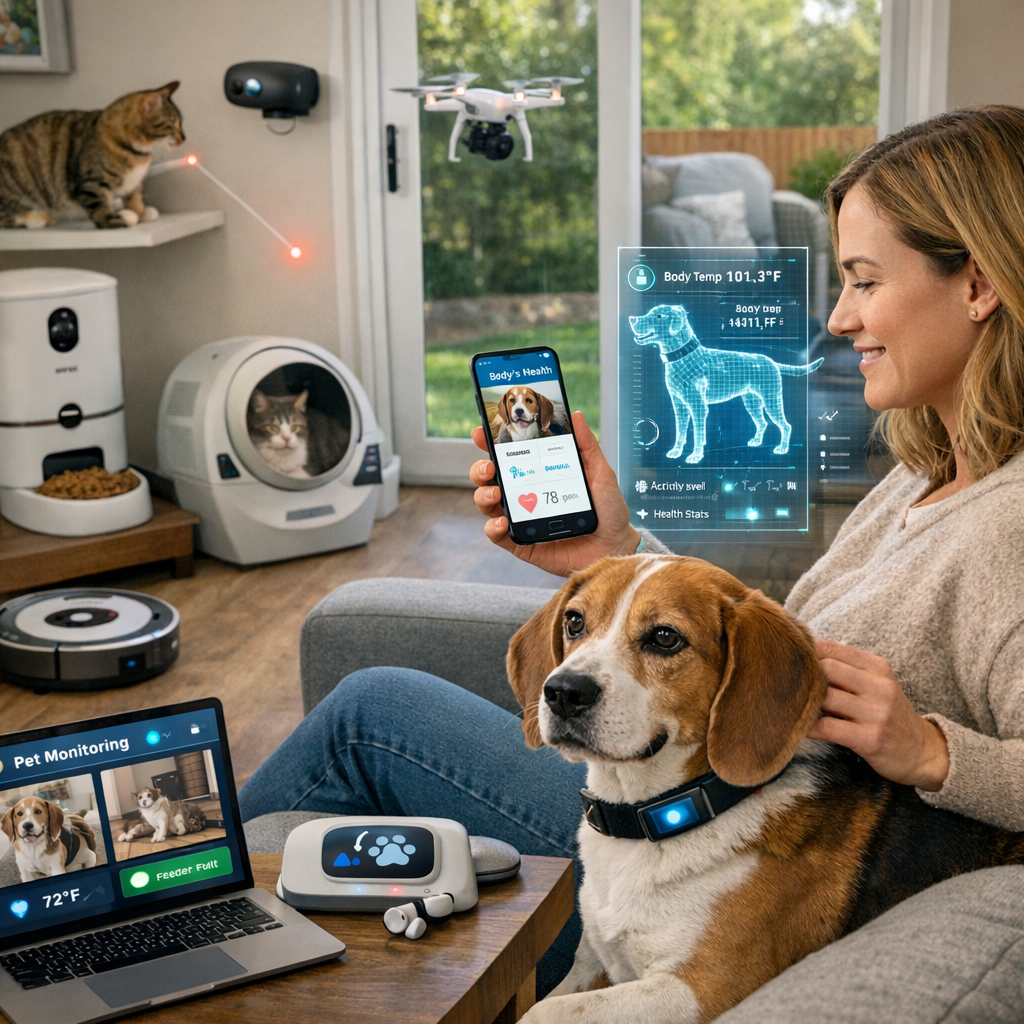
Discover how the Luccy app can help you with pet care essentials. Powered by AI, Luccy brings tailored tips and reminders for your pet’s daily needs—everything from nutrition to activity planning—helping you care for your pet in a well-rounded, tech-savvy way. Take the next step in being a proactive and loving pet owner with Luccy by your side.