






Pet Hygiene: Keeping Your Pet Clean and Healthy
Introduction
Every pet owner knows that a happy pet is a healthy pet. Good hygiene is not just about keeping your furry friend looking their best—it’s essential for their overall well-being. Pet hygiene goes beyond an occasional bath and includes grooming, dental care, and a clean environment. By making pet cleanliness a priority, you help prevent illness, discomfort, and even behavioral problems. Let’s explore some effective ways to keep your pet clean and healthy year-round.
Why Pet Hygiene Matters
Much like humans, pets rely on regular hygiene practices to stay healthy. Dirty fur, untrimmed nails, and neglected teeth can all lead to health issues including infections, skin irritations, and even more serious diseases. A clean pet is less likely to experience allergies, parasites, and discomfort. Plus, a well-groomed companion means a tidier home—fewer odors, less shedding, and reduced risk of pests.
Bathing Tips for Pets
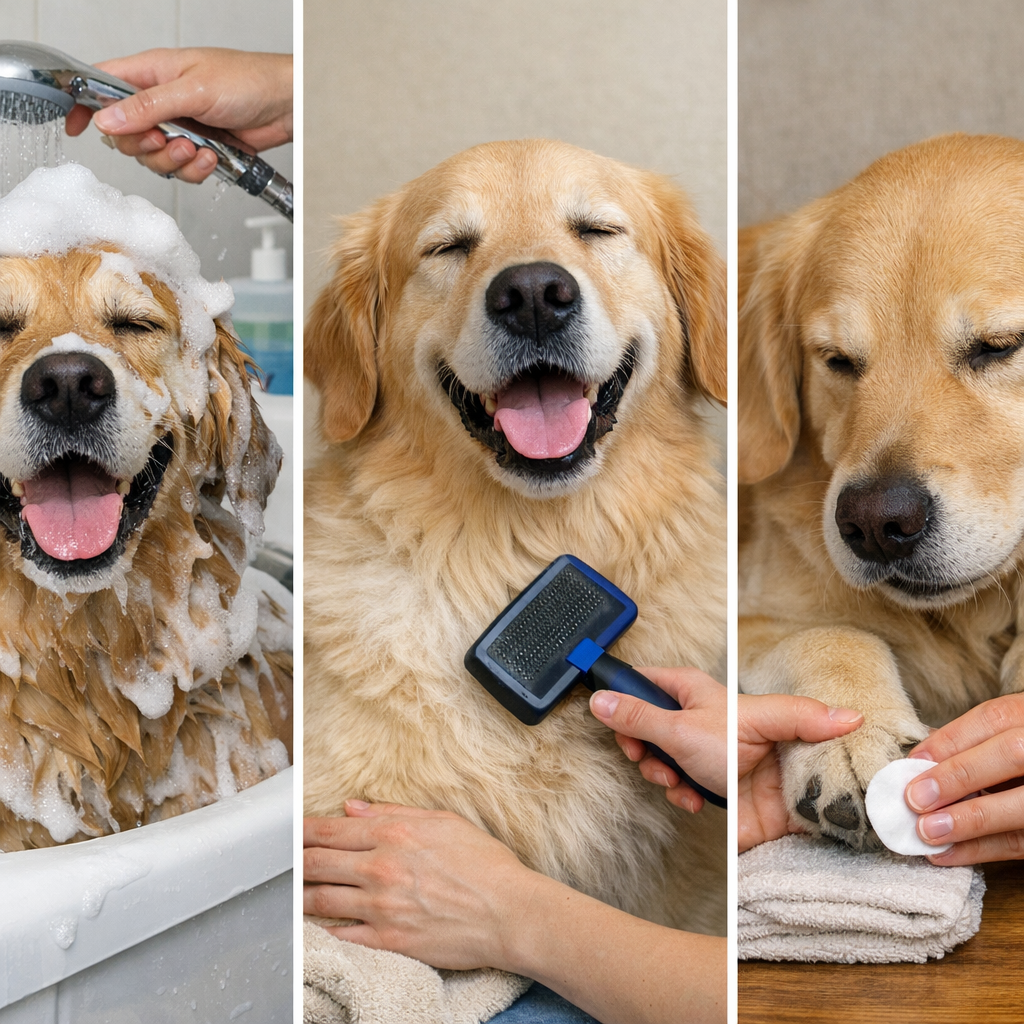
How often you need to bathe your pet depends on their breed, activity level, and environment. Dogs may need a bath every four to six weeks, while cats can usually keep clean on their own unless they get into something messy. Always use pet-friendly, hypoallergenic shampoos to avoid skin irritation. Make sure to rinse thoroughly—soap residue can cause itching and flakiness.
After bathing, dry your pet well, especially in colder months. Avoid human hair dryers unless they have a cool setting, as pets are sensitive to heat. For pets who dislike water, try using pet wipes or dry shampoos.
Regular Grooming Practices
– Brushing: Regular brushing removes dirt, loose hair, and prevents mats, especially in long-haired breeds. Brushing also stimulates skin and spreads natural oils for a healthy coat.
– Nail trimming: Overgrown nails can cause pain, injury, and affect mobility. Trim your pet’s nails every few weeks, or as needed. If you’re nervous, many groomers offer this as a standalone service.
– Ear cleaning: Check your pet’s ears weekly for dirt, wax buildup, or signs of infection such as redness or odor. Use vet-approved ear cleaners and cotton balls—never insert cotton swabs into their ear canal.
– Dental care: Dental hygiene is often overlooked but is vital. Brush your pet’s teeth with pet-specific toothpaste, offer dental chews, and schedule professional cleanings as recommended by your vet.
Keeping Living Spaces Clean
Maintaining clean bedding, toys, and food bowls is just as important for your pet’s health as grooming. Wash their bedding regularly in hot water and clean food and water bowls with soap and hot water daily. Disinfect toys, especially after playdates or trips to the park.
Litter boxes for cats and small pets should be scooped daily and washed weekly. For dogs, routinely wash collars, leashes, and harnesses.
Parasite Protection
Fleas, ticks, and worms are common risks for pets. Regular grooming makes it easier to spot any signs of parasites early. Use veterinarian-recommended preventive treatments and schedule annual vet check-ups to keep your pet parasite-free.
Watch for Skin and Coat Issues
Pay attention to your pet’s skin and coat. Signs of trouble include excessive scratching, bald patches, dandruff, or sores. Early intervention can prevent minor irritations from developing into more serious conditions. Consult your veterinarian if you notice anything unusual.
Healthy Diet and Hygiene
Proper nutrition plays an often-overlooked role in pet hygiene. A balanced diet gives your pet the nutrients necessary for a shiny coat, strong teeth, and healthy skin. Always provide fresh water and avoid feeding your pet low-quality treats that could contribute to plaque buildup or skin irritation.
Conclusion
A clean and well-groomed pet is a healthier and happier companion. By incorporating regular hygiene routines into your pet care schedule, you’ll prevent many common health issues and strengthen your bond with your furry family member. Remember, small habits—like brushing and regular bathing—make a big difference over time.
For pet owners looking to enhance their care routines, consider trying the Luccy app. Luccy makes it simple to track grooming schedules, get tailored hygiene tips, and consult with AI-powered pet care resources—all designed to help you become the best pet parent you can be.