
Understanding Pet Allergies and Sensitivities
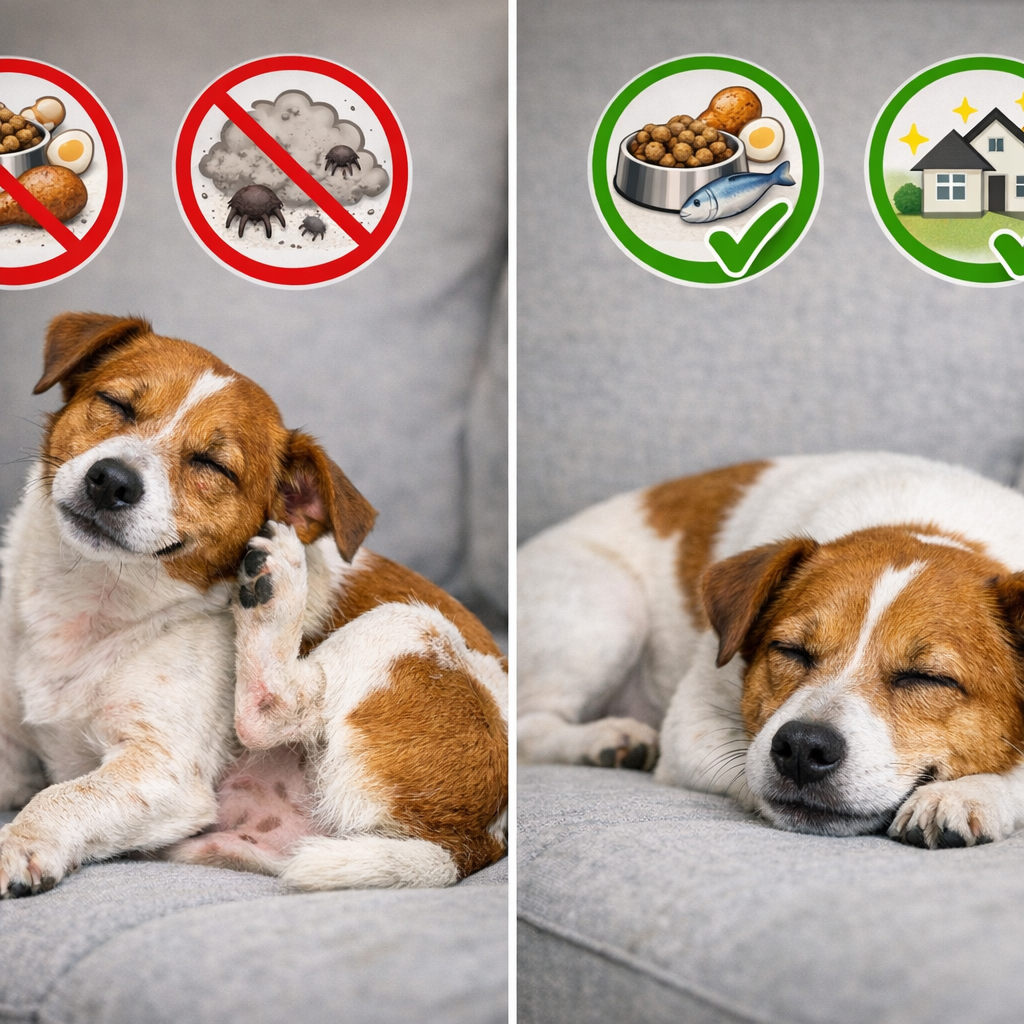
Understanding Pet Allergies and Sensitivities: What Every Pet Owner Should Know
Introduction
Pets are cherished members of our families, bringing joy, companionship, and unconditional love. However, just like people, pets can develop allergies and sensitivities that can affect their health and quality of life. Understanding the signs, causes, and management strategies for pet allergies is essential for every responsible pet owner. By educating ourselves on this topic, we can ensure our furry friends stay happy and healthy for years to come.
What Are Pet Allergies and Sensitivities?
Pet allergies occur when your pet’s immune system reacts abnormally to substances in their environment or diet. These substances, known as allergens, are typically harmless but can trigger an allergic response in sensitive animals. Sensitivities, on the other hand, often refer to non-allergic reactions such as food intolerances, which can still cause discomfort and health issues but are not true allergies.
Common Causes of Allergies in Pets
There are several sources of allergens that can affect pets:
– Environmental Allergens: These include pollen, dust mites, mold spores, and even fabrics or cleaning chemicals found at home.
– Food Allergens: Specific ingredients like certain proteins (beef, chicken, dairy), grains (wheat, soy, corn), or additives can trigger food allergies or sensitivities.
– Flea Allergies: Flea saliva is a common culprit, causing intense itching and skin problems.
– Contact Allergens: Some pets may react to materials in their bedding, toys, or even grooming products.
Recognizing the Signs of Allergies and Sensitivities
Being aware of the symptoms of pet allergies can help you act quickly. Common signs include:
– Excessive itching, licking, or scratching
– Redness, inflammation, or sores on the skin
– Recurrent ear infections or head shaking
– Sneezing, coughing, or watery eyes
– Digestive issues like vomiting or diarrhea
– Hair loss or hot spots
Keep in mind that symptoms can vary depending on the allergen, the type of reaction, and the individual pet.
Diagnosing Pet Allergies
If you suspect your pet has allergies or sensitivities, a visit to the veterinarian is essential. Your vet will perform a thorough physical examination and may recommend diagnostic tests, which can include:
– Skin scrapes or patch testing to check for skin allergies
– Blood tests to identify environmental or food allergens
– Elimination diets to pinpoint food sensitivities
– Flea comb tests to rule out parasite-related reactions
Effective Management and Treatment
Once the cause of your pet’s allergies is determined, managing them might require a multifaceted approach:
– Avoidance: Limiting exposure to known allergens (e.g., switching foods, changing bedding, or using air purifiers).
– Regular grooming: Bathing pets with hypoallergenic or medicated shampoos can reduce allergens on their skin and fur.
– Flea control: Year-round flea prevention is crucial if your pet is sensitive to flea bites.
– Dietary changes: Your vet may recommend a limited ingredient or hypoallergenic diet for pets with food allergies.
– Medications: Antihistamines, steroids, or other medications may be prescribed to control symptoms.
– Supplements: Omega-3 fatty acids and other supplements can help improve skin health.
Living With a Sensitive Pet: Tips for Owners
– Keep your home clean to minimize dust, mold, and pollen.
– Wash bedding and toys regularly.
– Track your pet’s symptoms in a journal to help identify triggers.
– Schedule regular vet check-ups for early detection and management.
– Always introduce new foods or products gradually.
When to Seek Professional Help
If your pet’s symptoms persist or worsen despite your best efforts, consult your veterinarian promptly. Severe reactions like difficulty breathing, swelling, or sudden collapse require immediate emergency care.
Conclusion
Understanding pet allergies and sensitivities is a key part of responsible pet ownership. By staying informed and proactive, you can help your furry friend live comfortably and happily, even if allergies are part of their life. At Luccy, we understand how important your pet’s well-being is. Our AI-powered app is designed to support you with personalized pet care essentials, making it easier to manage conditions like allergies with confidence and ease. Prioritize your pet’s health—and give them the care they deserve—with the right tools and information at your fingertips.