
How to Read Pet Food Labels Properly
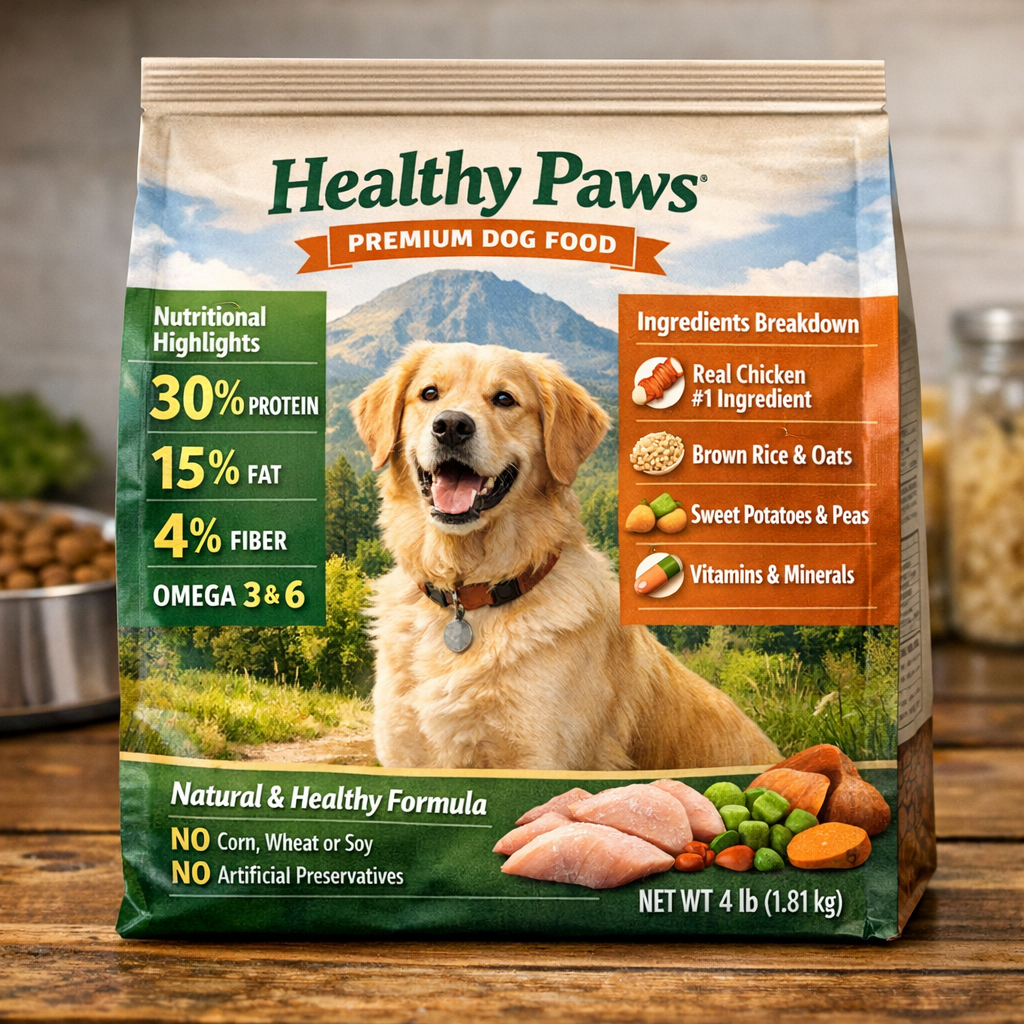
Title: How to Read Pet Food Labels Properly
Introduction
Choosing the right food for your pet is a crucial part of pet care. Whether you have a playful puppy, a wise old cat, or a lively rabbit, nutrition plays a significant role in their health and happiness. Yet, when you stroll down the pet food aisle, the dazzling variety of brands, buzzwords, and claims can make decision-making overwhelming. One of the best ways to ensure you’re choosing the right food is by learning how to read pet food labels properly. In this blog post, we’ll guide you through decoding pet food packaging so you can make informed decisions for your beloved companion.
Understanding the Importance of Pet Food Labels
Pet food labels are more than just a list of ingredients. They provide valuable information about the nutritional quality, suitability, and safety of the food for your pet. Reading these labels carefully ensures that your furry friend gets balanced nutrition tailored to their age, size, and activity level. By mastering how to interpret pet food labels, you can avoid unnecessary fillers, allergens, and unhealthy ingredients.
Key Components of Pet Food Labels
1. Product Name
The name of the food often gives you clues about its content. For instance, if a bag says “Chicken Dog Food,” it must contain at least 70% chicken (including water). However, if it says “Dog Food with Chicken,” it needs to include only 3% chicken. Words like “dinner,” “platter,” or “entrée” require just 10% of the named ingredient. So, always pay attention to the exact wording.
2. Ingredients List
The ingredients are listed in order of weight, with the heaviest first. Look for real meat (like chicken, beef, or salmon) as the first ingredient, followed by wholesome carbohydrates (such as brown rice or sweet potato) and essential fats. Avoid foods with vague terms like ‘meat by-products,’ ‘animal digest,’ or excessive fillers such as corn, wheat, and soy, which can be less nutritious.
3. Guaranteed Analysis
This section shows the minimum percentages of crude protein and fat, as well as the maximum percentages of crude fiber and moisture. Compare these percentages to your vet’s recommendations for your specific pet’s needs. Puppies and kittens usually need higher protein, for example.
4. Nutritional Adequacy Statement
Look for the phrase: “This food is complete and balanced for all life stages,” or similar wording. This means the food meets standards for necessary nutrients set by reputable organizations (like AAFCO in the US). Avoid products that are for ‘intermittent or supplemental feeding’ unless your vet suggests them.
5. Feeding Guidelines
These recommendations provide a starting point for how much to feed, based on your pet’s weight and sometimes their life stage. However, every pet is unique, so you may need to adjust these amounts according to their age, metabolism, and activity level.
6. Expiry Date and Storage Instructions
Always check the expiration date to ensure freshness and look for storage instructions to retain nutrient quality and prevent spoilage.
Common Marketing Claims: What to Ignore
Pet food labels often carry enticing slogans like “natural,” “gourmet,” or “premium.” While these sound appealing, they aren’t strictly regulated and may not reflect the true nutritional value. Focus instead on the factual components of the label, like the ingredients and assured analysis.
Red Flags to Watch Out For
– Artificial preservatives, flavors, or colors
– Unnamed animal sources (just “meat” or “poultry” rather than “chicken” or “beef”)
– Excessive carbohydrate fillers
– Foods without a nutritional adequacy statement
Why Consult Your Veterinarian
Every pet is unique. What’s perfect for one might not suit another, especially if they have allergies or medical conditions. It’s always a good idea to consult your vet or a pet nutritionist before changing your pet’s diet.
Conclusion
Learning how to read pet food labels properly empowers you to make the healthiest choices for your furry family member. By focusing on the product name, ingredient list, guaranteed analysis, and nutritional adequacy statement, you can ensure your pet receives balanced nutrition. Remember, what’s on the label matters just as much as your pet’s individual needs and preferences.
For those looking to streamline pet care, the Luccy app can help. Luccy leverages AI to assist with pet care essentials, including tracking nutritional needs and alerting you to important care milestones. It’s a helpful companion on your journey to keeping your pet happy and healthy.
Making educated choices at the food aisle can feel daunting, but with a little knowledge—and the right digital tools—you’ll give your pet the delicious, nourishing meals they deserve.