






**Common Mistakes New Pet Owners Make: What to Avoid for a Happy, Healthy Pet**
**Introduction**
Bringing a new pet into your home is an exciting and rewarding experience. Whether you’ve adopted a playful puppy, a curious kitten, or a rescued senior pet, the responsibility of pet ownership is both a joy and a challenge. New pet owners often want to give their furry family members the best life possible, but with so much information out there, it’s easy to make mistakes—sometimes without even realizing it. Understanding these common pitfalls can help ensure your pet receives the love, care, and attention they deserve from day one.
**Neglecting Proper Nutrition**
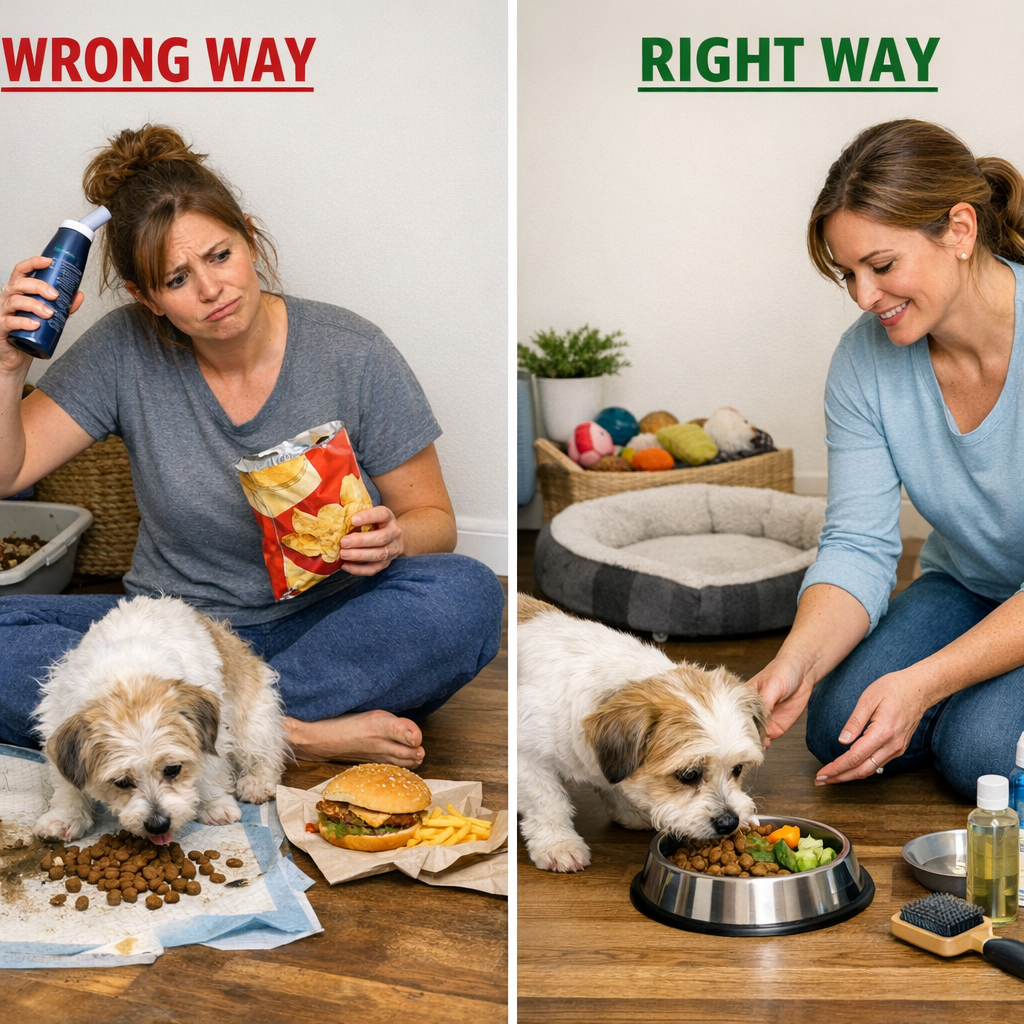
One of the most frequent mistakes new pet owners make is not paying close enough attention to their pet’s diet. Feeding table scraps or not reading the labels on pet foods can lead to nutritional imbalances. Every pet has unique dietary needs based on their age, size, and health status. Consult your veterinarian and choose high-quality food designed for your pet’s specific requirements. Avoid overfeeding and inappropriate treats, which can lead to obesity and related health problems.
**Skipping Regular Veterinary Visits**
It’s easy to assume that if your pet looks healthy, there is no need for a vet visit. However, skipping regular check-ups can result in missed vaccinations and delayed detection of health issues. Regular veterinary care helps prevent serious diseases and keeps your pet on track with vaccinations, parasite control, and dental health. Establish a vet schedule as soon as you welcome your new pet, even if they appear perfectly healthy.
**Lack of Training and Socialization**
New pet owners sometimes underestimate the importance of early training and socialization, especially with puppies and kittens. Without proper guidance, pets can develop unwanted behaviors, such as excessive barking, chewing, or aggression. Enroll in a training class, start housebreaking early, and expose your pet to different environments and people to help them become well-mannered companions.
**Ignoring Exercise and Mental Stimulation**
Exercise isn’t just for dogs—cats, birds, and other pets also need physical activity and mental engagement. Insufficient exercise can lead to boredom, obesity, and destructive behaviors. Create a daily routine that includes walks, playtime, and interactive toys to keep your pet healthy and happy. For indoor pets, enrichment activities such as puzzle feeders can provide needed mental stimulation.
**Inconsistent Rules and Routines**
A common misstep is being inconsistent with house rules and routines. If one family member allows the pet on the couch while another doesn’t, it sends mixed signals and can confuse your pet. Establish clear boundaries and routines from the start—including feeding times, potty breaks, and bedtime—to help your pet understand what’s expected.
**Overlooking Pet-Proofing the Home**
New owners may not realize just how curious or mischievous pets can be. Everyday household items, like cleaning supplies, electrical cords, and certain plants, can pose serious risks. Take the time to pet-proof your home by securing dangerous objects, storing food and chemicals out of reach, and providing safe, comfortable spaces for your pet.
**Failing to Understand Pet Body Language**
Learning to read your pet’s body language is vital. Many owners misinterpret signals such as ear position, tail movement, or vocalizations. This lack of understanding can lead to missed signs of stress, discomfort, or illness. Research and observe the ways your particular species communicates—it will strengthen your bond and help you address their needs promptly.
**Overindulgence of Affection or Discipline**
While showering your new pet with love is natural, excessive coddling can create dependence and anxiety, especially if they’re left alone. Conversely, overly harsh discipline can damage trust. Strive for balanced, positive reinforcement when training and ensure your pet has opportunities for both affection and independence.
**Conclusion**
Being a pet parent is a journey with plenty of learning along the way. By avoiding these common mistakes, you’ll set your new animal companion up for a long, happy, and healthy life by your side. Remember, patience and continuous learning are key as you both adjust to your new life together.
For those seeking a little extra guidance, Luccy is a pet care app that uses AI to help pet owners keep up with nutrition, exercise, vet visits, and more. If you ever feel uncertain navigating the world of pet parenthood, consider giving Luccy a try for convenient pet care support. Your furry friend will thank you!