
Senior Pet Care: How Needs Change With Age
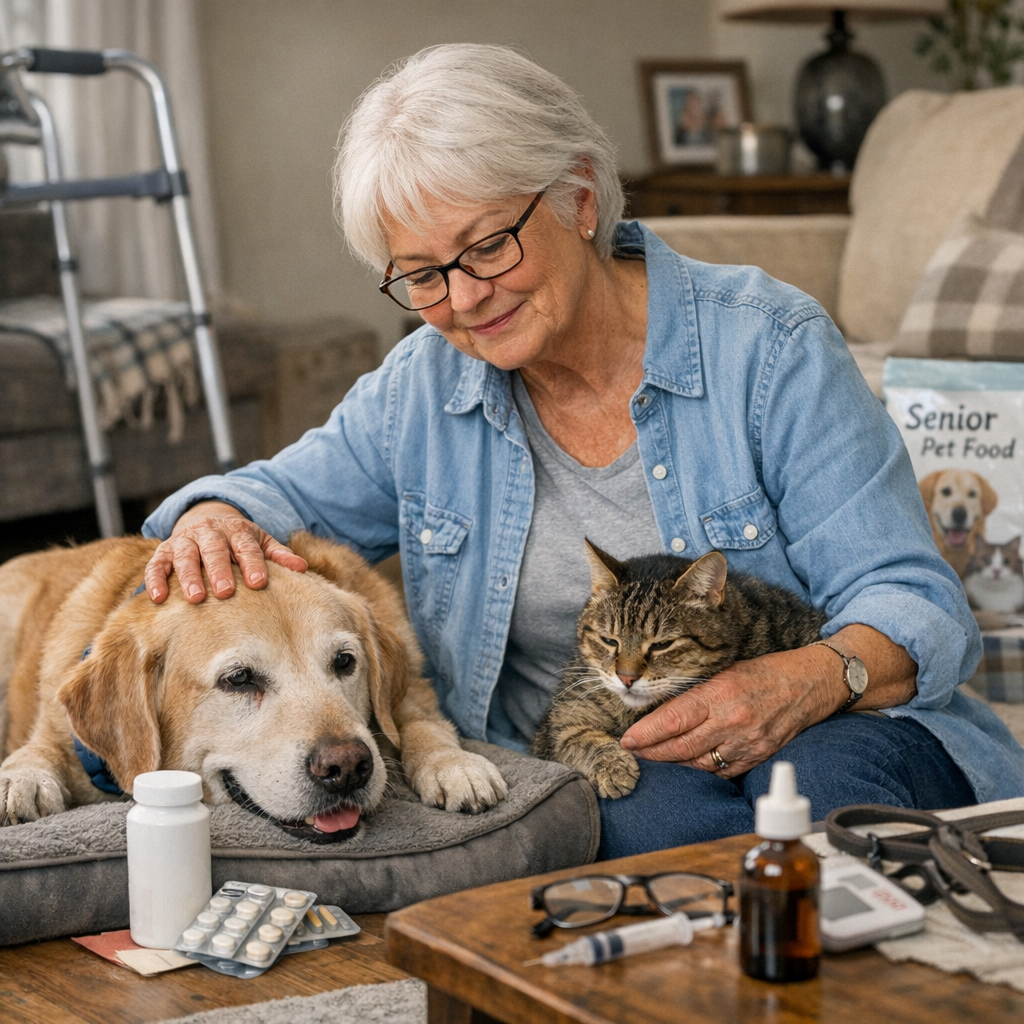
Senior Pet Care: How Needs Change With Age
Introduction
As our beloved pets enter their golden years, their needs change significantly. Senior dogs and cats often require different care and attention than when they were younger. Adapting to these changes is essential for keeping them comfortable, healthy, and happy. Whether you have a dog, cat, or another cherished companion, understanding how to adjust your approach to senior pet care can help your furry friend thrive well into their later years.
Recognizing When Your Pet Becomes a Senior
Pet aging varies depending on species and breed. In general, dogs and cats are considered seniors around the age of 7, though larger dog breeds may age faster. Signs your pet is entering their senior years can include graying fur, slower movement, and increased napping. Regular veterinary check-ups can confirm if your pet is showing age-related changes and help you begin a tailored senior care routine.
Changes in Nutrition for Older Pets
Senior pets often face changes in metabolism and activity level, making their nutritional needs different than those of younger animals. Specialized senior pet foods offer balanced calories, higher fiber, and essential nutrients that can support aging bodies. Watch for changes in appetite, drinking habits, and weight, as these can indicate health issues that require veterinary attention. Always consult your vet before switching your pet’s diet.
Importance of Regular Veterinary Care
As pets age, regular health screenings become even more crucial. Older pets are more prone to developing conditions such as arthritis, dental disease, diabetes, and kidney issues. Senior wellness exams typically include bloodwork, dental checks, and organ function tests. Early detection of health issues means more effective treatment and a better quality of life for your pet.
Adjusting Exercise and Activity
Senior pets may slow down, but they still need regular exercise to maintain muscle tone, flexibility, and overall well-being. Adjust the length and intensity of walks or playtime to match your pet’s stamina and joint health. Activities like gentle fetch, swimming, and puzzle toys can provide physical and mental stimulation while being easy on aging bodies.
Creating a Comfortable Living Environment
Older pets might develop joint pain or decreased mobility, making it important to adapt their home environment. Orthopedic beds, easy-access ramps, non-slip rugs, and raised food bowls can help them move around more comfortably. Keep their living space clean and quiet to reduce anxiety and provide them with cozy spots to rest.
Maintaining Dental Health
Dental problems are common in senior pets and can lead to severe health complications if left untreated. Regular brushing, dental treats, and professional cleanings are key for maintaining oral health. Symptoms like bad breath, difficulty eating, or drooling can indicate dental disease and should be checked by a vet promptly.
Monitoring for Behavioral Changes
Cognitive decline can occur in aging pets, sometimes showing as confusion, changes in sleep patterns, or accidents in the house. Stimulating toys, consistent routines, and gentle reassurance can support your pet’s mental health. If you notice drastic behavioral shifts, consult a veterinarian to rule out underlying medical problems.
End-of-Life Care and Compassion
As pets near the end of their lives, compassionate care becomes the priority. Focus on managing pain, providing comfort, and maintaining dignity. Your veterinarian can guide you through options for hospice care, pain management, and making difficult decisions when the time comes.
Conclusion
Caring for a senior pet is both a responsibility and a privilege. By tuning into their changing needs—nutrition, healthcare, exercise, comfort, and companionship—you can ensure their twilight years are filled with love and joy. For pet owners seeking additional support, digital tools like the Luccy app can offer reminders, track health changes, and provide tailored AI-driven advice for your senior pet’s daily essentials. With knowledge and compassion, you can help your furry friend enjoy their senior years to the fullest.