
Parasite Control: Fleas, Ticks, and Worms Explained
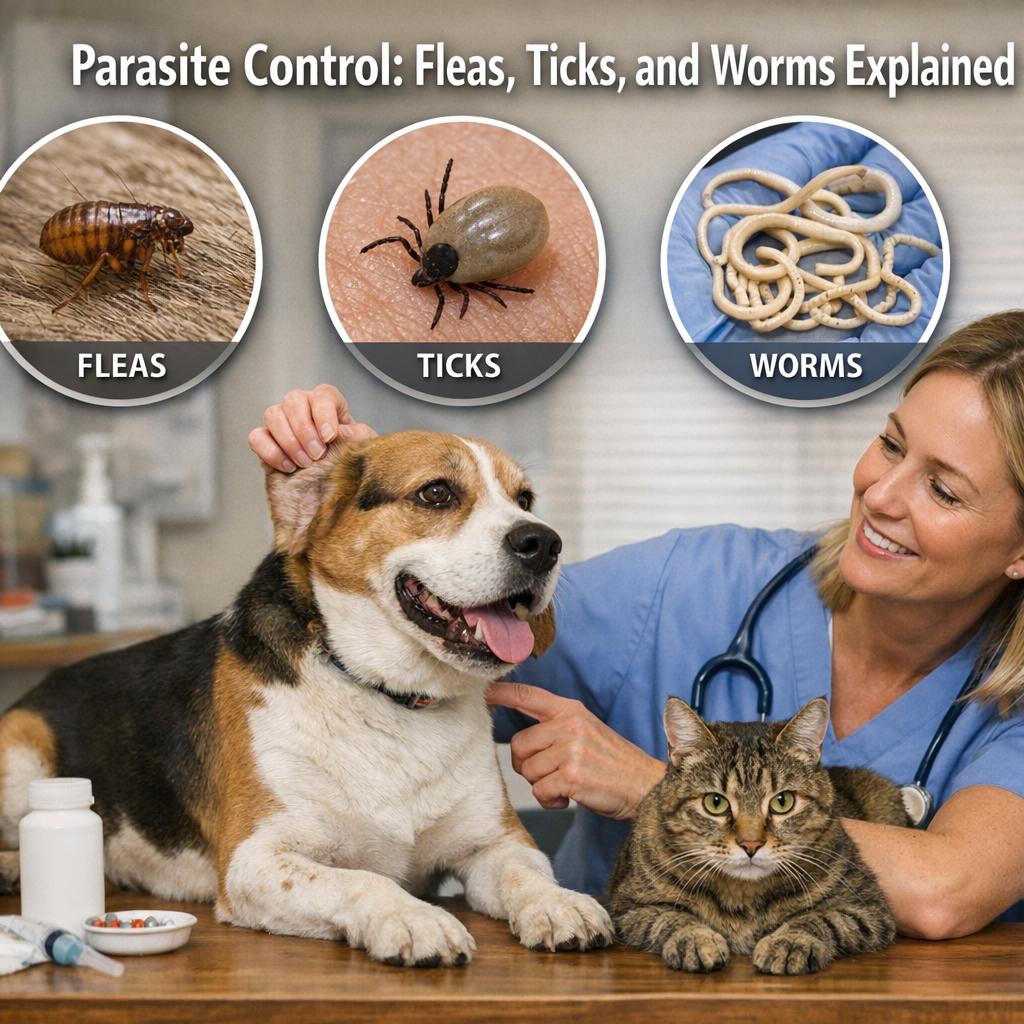
Parasite Control: Fleas, Ticks, and Worms Explained
Introduction
As a responsible pet owner, keeping your furry companion healthy and comfortable is always a top priority. One of the most significant threats to your pet’s wellbeing comes from parasites like fleas, ticks, and worms. Not only do these pests cause discomfort, but they can also lead to serious health issues for both pets and humans. Understanding how these parasites operate, how to prevent infestations, and the most effective control measures will help you protect your beloved cat or dog year-round.
Understanding Fleas: Tiny Pests, Big Problems
Fleas are tiny insects that feed on your pet’s blood. Their bites cause itching, allergies, and skin infections, and in severe cases, can lead to anemia, especially in young or small pets. Fleas also act as vectors for tapeworms and can be hard to detect due to their size.
Signs of Flea Infestation:
– Excessive scratching, licking, or biting at the skin
– Red, inflamed skin or hot spots
– Black “flea dirt” (tiny pepper-like flecks) in your pet’s fur
Flea Control and Prevention:
– Regularly use vet-recommended flea preventatives (topical, oral, or collars)
– Wash your pet’s bedding and vacuum around your home frequently
– Treat all pets in the household to prevent cross-infestation
– Maintain your yard—fleas thrive in shaded, damp areas
All About Ticks: Dangerous Disease Carriers
Ticks are arachnids that attach to your pet’s skin to feed on blood, potentially transmitting diseases like Lyme, ehrlichiosis, and anaplasmosis. Ticks tend to lurk in grassy, wooded, or bushy areas and can latch onto pets (and people) when they brush past.
How to Spot and Safely Remove Ticks:
– Check your pet’s skin after every walk, especially around the head, ears, paws, and underbelly
– Use fine-tipped tweezers to grasp the tick close to the skin and pull gently but firmly
– Clean the bite area and your hands after removal
Preventing Tick Infestation:
– Use tick preventives year-round as recommended by your vet
– Keep your garden and yard tidy and free from overgrown vegetation
– Consider keeping your pet on pathways and away from dense brush
Worms in Pets: Intestinal Invaders
Worms are internal parasites that can seriously impact the health of your pet. The most common include roundworms, hookworms, whipworms, and tapeworms. Symptoms depend on the type and severity but can include weight loss, a dull coat, vomiting, diarrhea, and a pot-bellied appearance in puppies and kittens.
How Pets Get Worms:
– Ingesting infectious eggs or larvae from contaminated soil or feces
– Eating infected rodents or fleas (tapeworms)
– Passing worms from mother to puppies or kittens
Worm Control and Prevention:
– Follow a regular deworming schedule advised by your veterinarian
– Pick up pet waste promptly to minimize environmental contamination
– Keep up with flea control to prevent tapeworm transmission
– Ensure your pet doesn’t hunt or scavenge
The Importance of Year-Round Parasite Prevention
Parasites can be a problem any time of year. Even indoor pets are not immune, as fleas and ticks can hitch a ride inside on clothing or other pets. Regular veterinary check-ups, the right preventative treatments, and thorough home hygiene practices are the pillars of keeping your pet parasite-free.
Conclusion
Protecting your pets from fleas, ticks, and worms requires diligence, education, and a proactive approach. Prevention is always easier, safer, and more cost-effective than dealing with an infestation or treating an illness. By staying informed and working with your vet, you can ensure your pets enjoy a healthy, happy life.
For added support in your pet care routine, consider using the Luccy app. Luccy leverages the power of AI to help you track health essentials and stay up to date with all aspects of your pet’s wellbeing, including timely reminders for parasite prevention and personalized tips. Because when it comes to your pet’s health, every detail counts.