






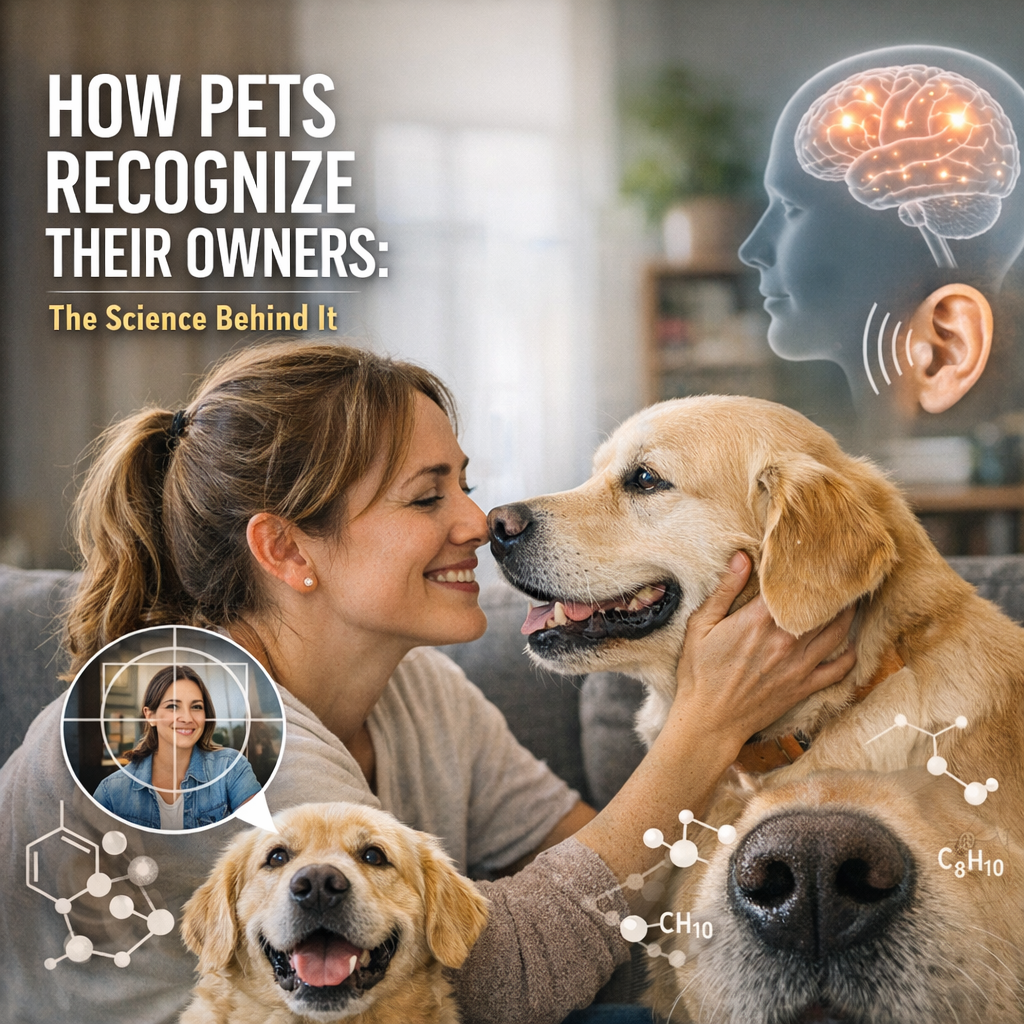
How Pets Recognize Their Owners: The Science Behind It
Introduction
Have you ever wondered how your dog excitedly wags its tail when you come home, or why your cat greets you with a gentle rub? The bond between pets and their owners is truly special, and much of that connection is rooted in recognition. But how exactly do pets recognize their owners? What are the scientific mechanisms at play? In this blog post, we’ll delve into the remarkable ways our animal companions identify us, using senses ranging from smell to sound, and even sight, shaped by biology and experience.
How Pets Use Their Senses to Recognize Owners
Olfactory Recognition
The sense of smell is one of the strongest tools pets use to recognize their owners, especially for dogs. With over 300 million olfactory receptors, a dog’s nose is incredibly sensitive. Dogs can distinguish scents at parts per trillion, which means they remember your unique scent – a blend of your natural odor, perfumes, and the environment you bring with you. For cats, their sense of smell is also essential, though slightly less powerful than a dog’s, but still 14 times better than humans.
Auditory Cues and Voice Recognition
Beyond scent, the sound of your voice is another powerful recognition tool. Scientific studies have found that both cats and dogs can recognize their owner’s voice, even distinguishing it from others in the household. Dogs can identify their owner’s unique vocal commands, tone, and rhythm, while cats respond more to familiar voices, especially when their name is called.
Visual Recognition
While not as dominant as smell or sound, many pets do use sight to recognize their owners. Dogs, for instance, have been shown in research to react to pictures of their owner’s face. They focus on facial features and body language, identifying those comforting and joyful cues. Cats, on the other hand, may not rely heavily on facial recognition, but can remember familiar gaits, movements, and overall shapes.
Behavioral Patterns and Daily Routines
Pets are incredible observers. They pay close attention to your daily routines, your habits, and even timing. Your approach, the way you move, and the routines you follow help them distinguish you from strangers. Over time, these consistent behavioral patterns reinforce their recognition and trust.
The Role of Bonding and Socialization
Recognition goes hand-in-hand with bonding. Positive experiences, consistent care, and emotional connection enhance your pet’s ability to recognize you. Frequent interaction, play, feeding, and grooming deepen the bond, making the recognition process even stronger.
Why Owner Recognition Matters
The science behind pet-owner recognition isn’t just about adorable greetings at the door. It fulfills practical and emotional needs for both pets and humans. A pet who recognizes and trusts its owner is more likely to feel secure and relaxed, which leads to better health and behavior. For owners, this mutual recognition fosters companionship and loyalty, becoming the foundation of a healthy, fulfilling relationship.
Conclusion
In summary, pets recognize their owners using a remarkable blend of senses and experiences. From the subtlety of your scent and the sound of your voice to the sight of your everyday routines, your pet has many ways to know exactly who you are. This recognition is a reflection of the deep bond and companionship you share, rooted in biology, memory, and love.
If you’re passionate about caring for your pet, consider using Luccy. Luccy is an app designed to support all your pet care essentials, powered by AI to make life easier for both you and your furry friends. As you continue to build that special bond with your pet, tools like Luccy can help ensure your companion gets the best possible care.