How Your Lifestyle Shapes Your Pet’s Personality

**How Your Lifestyle Shapes Your Pet’s Personality**
Introduction
Have you ever wondered why your pet acts the way they do? Maybe your dog is the life of the party, eagerly greeting every guest, or perhaps your cat is calm, preferring quiet corners to relax. Much like humans, pets are influenced by their surroundings and the lifestyle of their families. In this post, we’ll explore how your daily habits, emotional state, and even your home environment can play a key role in shaping your pet’s personality. Understanding these connections not only strengthens your bond with your furry friend but also ensures a happier, healthier household.
The Influence of Daily Routines
Pets thrive on routine. Consistent feeding times, regular walks, and set play sessions all provide a sense of stability and security. When pet owners have structured routines, their pets often feel less anxious and more confident. On the other hand, pets in unpredictable households might become nervous or unsettled, potentially leading to behavioral issues. For example, a dog who never knows when their next walk will happen may become overly excited or even destructive out of boredom.
Physical Activity and Mental Stimulation
Your activity level directly affects your pet’s energy and engagement. An owner who loves outdoor activities is likely to have a dog that’s adventurous, outgoing, and well-socialized. Cats, too, benefit from active playtime that simulates hunting and chasing instincts. Conversely, a sedentary lifestyle can lead to a pet who is less playful and more withdrawn. Regular exercise and new experiences stimulate your pet’s mind, preventing boredom and encouraging curiosity.
Emotional Atmosphere at Home
Pets are intuitive and can sense emotional shifts in the household. Calm, positive environments encourage trust and security, while tension and stress may lead to anxious or reactive behaviors. If you’re often stressed or frustrated, your pet may mirror these emotions, appearing jumpy or restless. Taking mindful steps towards a peaceful home—through relaxation techniques, music, or play—helps both you and your pet maintain emotional balance.
Social Interactions and Exposure
The company you keep and the places you visit impact your pet’s social development. Frequent guests, regular visits to parks, or pet-friendly cafes introduce your dog or cat to new sights, sounds, and people, fostering confidence and adaptability. In contrast, limited social exposure may result in a shy or cautious pet. Gradually increasing your pet’s social experiences helps them become more comfortable in a variety of situations, reducing fear and unwanted behaviors.
Nutrition and Health Choices
Your choices around your pet’s diet, vet visits, and grooming play an essential role in their overall well-being and temperament. A well-nourished, healthy pet feels more content and is less prone to irritability or lethargy. Regular check-ups and grooming routines also contribute to positive behaviors, as your pet learns to trust you and is more comfortable with handling.
Balancing Work and Pet Time
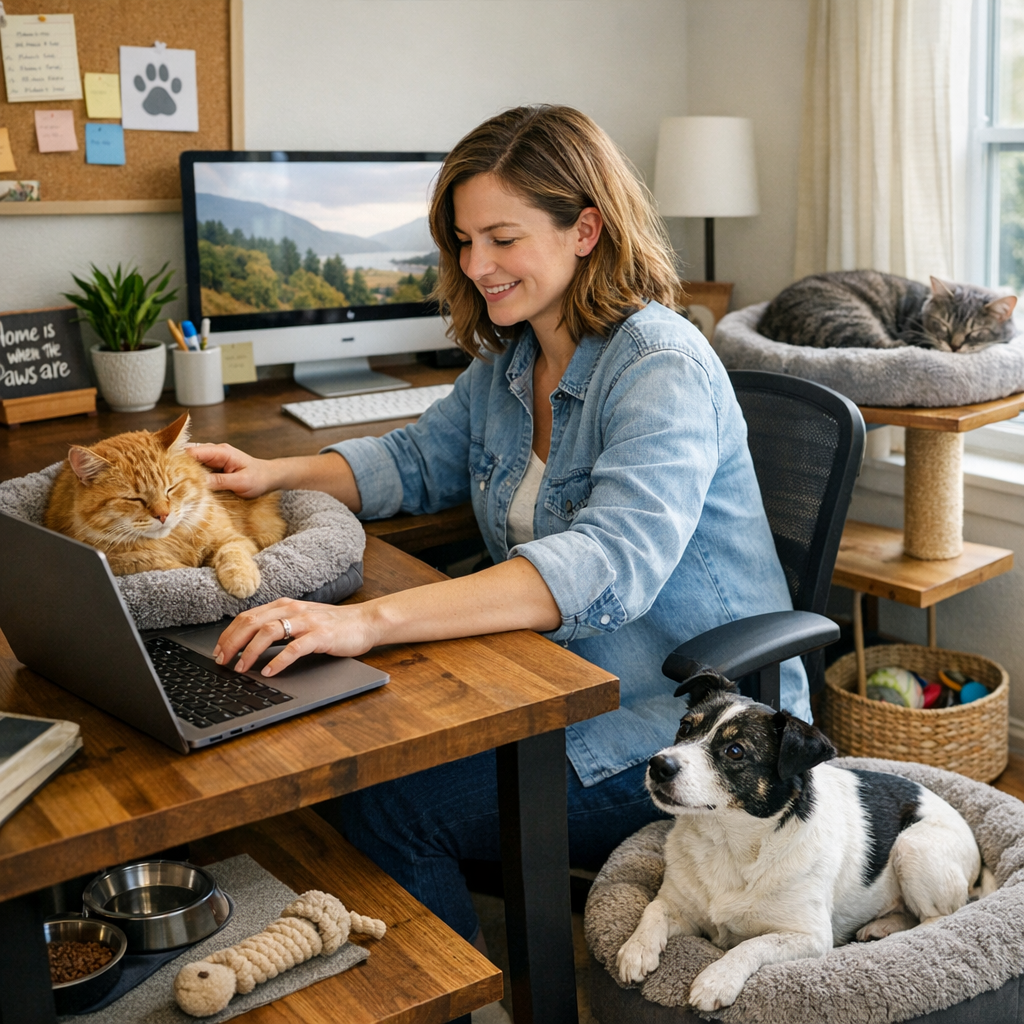
Today’s busy lifestyles sometimes lead to pets spending long hours alone. Over time, this isolation can lead to loneliness, depression, or anxiety-driven behaviors like chewing or excessive barking. Making time for daily engagement, hiring a pet sitter, or utilizing interactive toys can help alleviate these issues and maintain your pet’s emotional health.
Conclusion
Every aspect of your lifestyle, from your schedule and stress levels to your diet and hobbies, quietly shapes your pet’s personality. By creating a nurturing, consistent, and active environment, you foster positive traits in your pet—making them more confident, happy, and well-adjusted. Remember, building a harmonious relationship is a two-way street. As you strive to care for your pet’s needs, they, in turn, enrich your life with unconditional love and companionship.
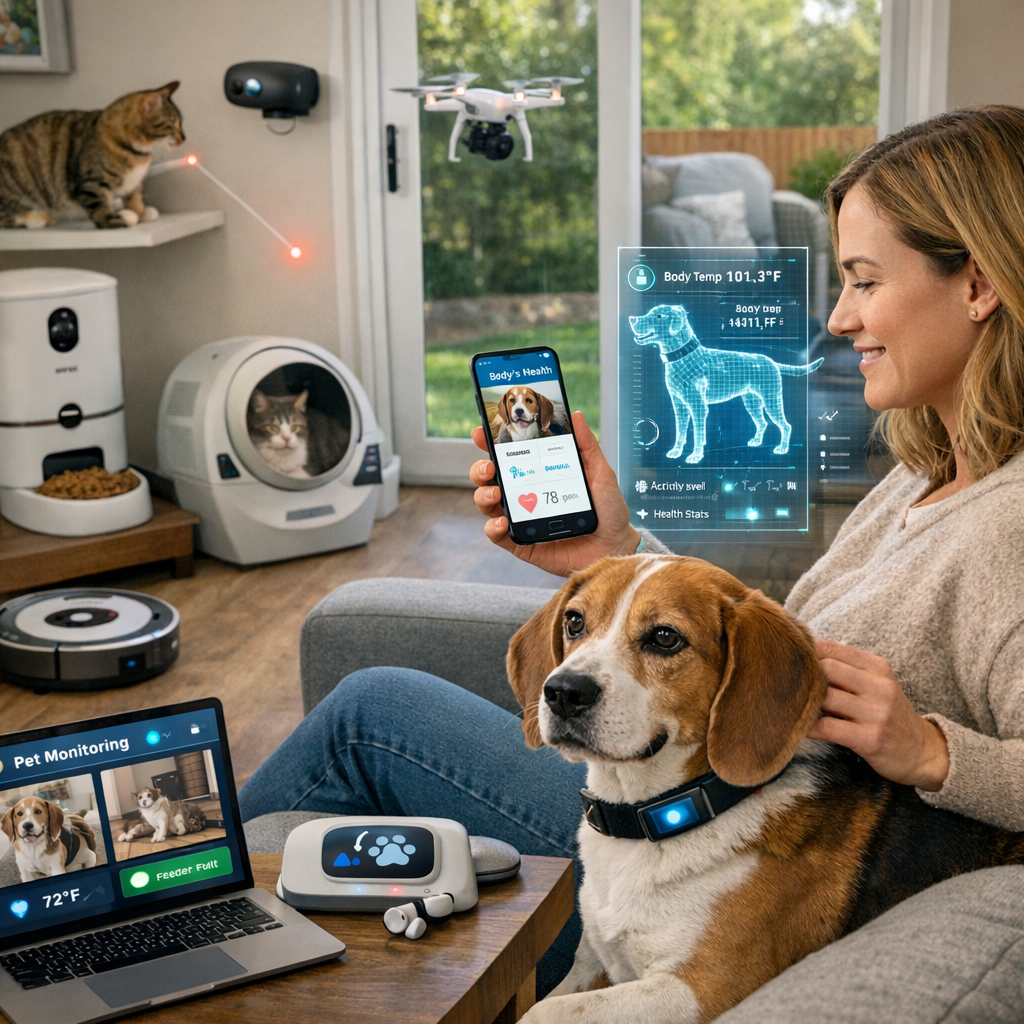
To support pet owners in these everyday choices, our app, Luccy, offers a smart, all-in-one solution for pet care essentials. Powered by AI, Luccy helps you track routines, health needs, and even provides tailored activity suggestions for your pet’s unique personality. It’s designed to make pet care less stressful and more enjoyable, allowing you to focus on what truly matters—the special bond you share with your furry friend.