






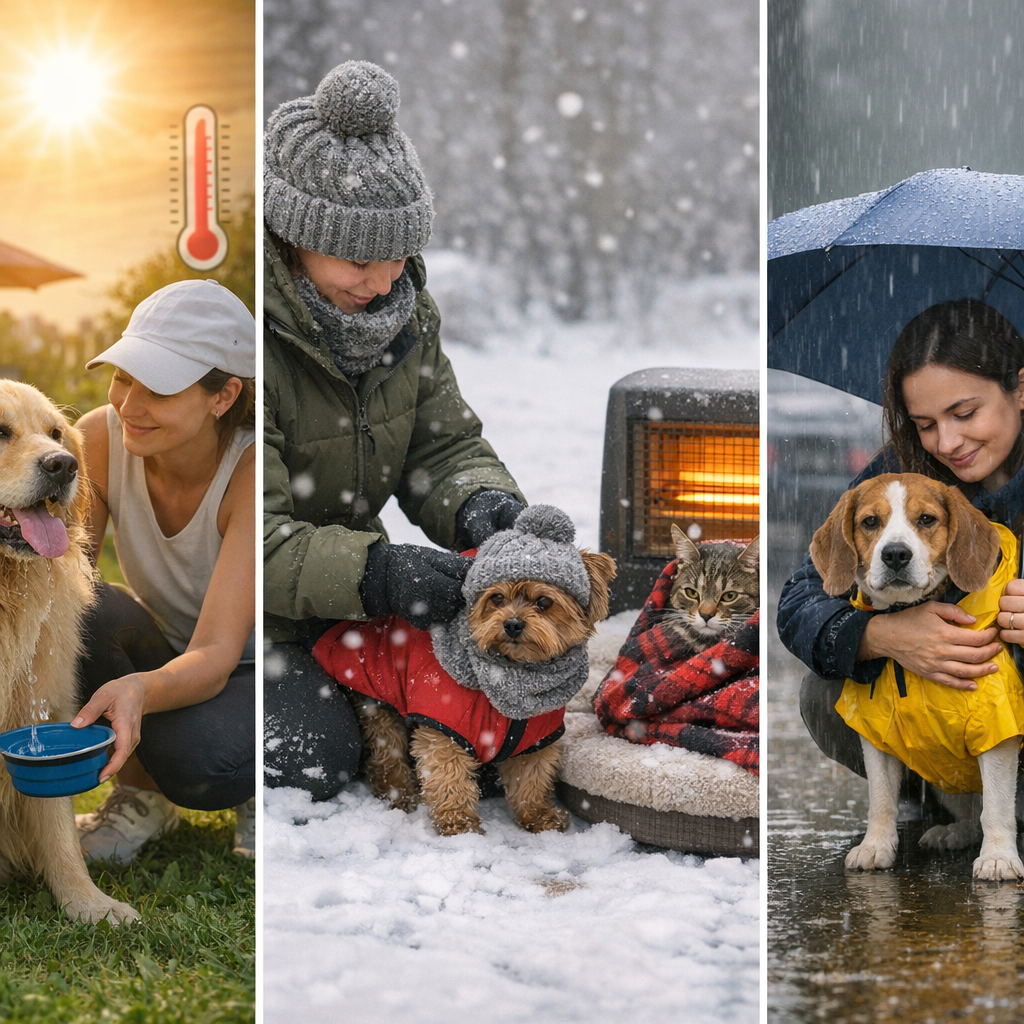
How Weather Affects Your Pet’s Health: What Every Pet Owner Should Know
Introduction
As seasons change and the weather shifts, it’s not just humans who feel the effects—our pets do, too. From sweltering summers to frosty winters, weather conditions significantly impact your furry friend’s health and well-being. Understanding these effects can help you take better care of your pets and keep them comfortable throughout the year. In this blog post, we’ll explore how various weather conditions influence your pet’s health and share practical tips to keep them safe in any climate.
The Impact of Hot Weather on Pets
High temperatures and humidity pose several risks to pets, especially dogs and cats. Unlike humans, pets sweat very little and mostly rely on panting to cool down. When the temperature rises, they’re more susceptible to heat stress, dehydration, and potentially life-threatening heatstroke.
Signs of heat-related problems in pets include excessive panting, drooling, lethargy, vomiting, and uncoordinated movements. Certain pets are particularly at risk: brachycephalic (short-nosed) breeds, older animals, young kittens or puppies, and those with underlying health issues.
To protect your pets during hot weather:
– Always provide fresh water and shade.
– Avoid walking your dog during peak heat hours; early morning or late evening is safer.
– Never leave pets in parked vehicles, even briefly.
– Consider using cooling mats or vests for additional comfort.
Winter Weather Challenges for Pets
Cold weather brings its own set of challenges. While some pets have thick fur that offers natural protection, short-haired or small breeds, elderly pets, and those with certain medical conditions may struggle in the cold.
Exposure to low temperatures can result in hypothermia and frostbite, particularly on extremities like ears, tails, and paw pads. The use of ice-melting chemicals and salt on roads and sidewalks can irritate or damage a pet’s paws, and ingesting these substances during licking can be toxic.
To help your pets stay healthy in winter:
– Limit outdoor time during extreme cold, especially for vulnerable pets.
– Dress your pet in pet-friendly sweaters or jackets if needed.
– Wipe your pet’s paws after walks to remove salt and chemicals.
– Provide warm, comfortable bedding indoors.
How Rain and Humidity Affect Pets
Wet and humid conditions can encourage the growth of molds, bacteria, and parasites—raising the risk of skin infections, hot spots, and respiratory issues. Dogs and cats with skin folds or long fur are particularly prone to developing problems such as fungal infections when their skin remains damp.
Additionally, standing water after heavy rain can harbor parasites and harmful bacteria, which can cause gastrointestinal upset or even serious diseases if ingested.
Here’s how to keep your pets healthy in wet conditions:
– Dry your pet thoroughly after walks in the rain.
– Regularly groom your pet to prevent matting and allow skin to breathe.
– Avoid letting your pet drink from puddles or stagnant water.
Allergies and Seasonal Changes
Just like humans, pets can suffer from seasonal allergies. Pollen, dust mites, mold, and changes in air quality can trigger allergies, leading to symptoms like itchy skin, excessive licking, sneezing, watery eyes, and ear infections.
If you notice your pet showing allergy symptoms:
– Consult your veterinarian for diagnosis and treatment.
– Keep windows closed during high pollen seasons.
– Bathe and groom pets regularly to remove allergens from their fur.
Tips for Weather-Related Emergency Preparedness
Severe weather events such as storms, hurricanes, or wildfires can occur with little warning. Preparing ahead of time ensures your pet’s safety during emergencies.
– Keep a go-bag with necessities: food, water, medication, and identification.
– Have a safe indoor space where your pet can take shelter during a storm.
– Stay informed about upcoming weather events in your area.
Conclusion
Our pets depend on us to keep them comfortable and safe no matter the weather. By being aware of how different climates and conditions affect your pet’s health, you can make informed decisions and adapt your pet care routine as the seasons change. Pay close attention to their behaviors, make adjustments as needed, and always consult your veterinarian if you have any health concerns.
For pet owners seeking tailored advice and health tracking, consider exploring Luccy, an AI-powered app designed for pet care essentials. Luccy provides personalized insights and tools to support you in keeping your pets happy and healthy, rain or shine.