






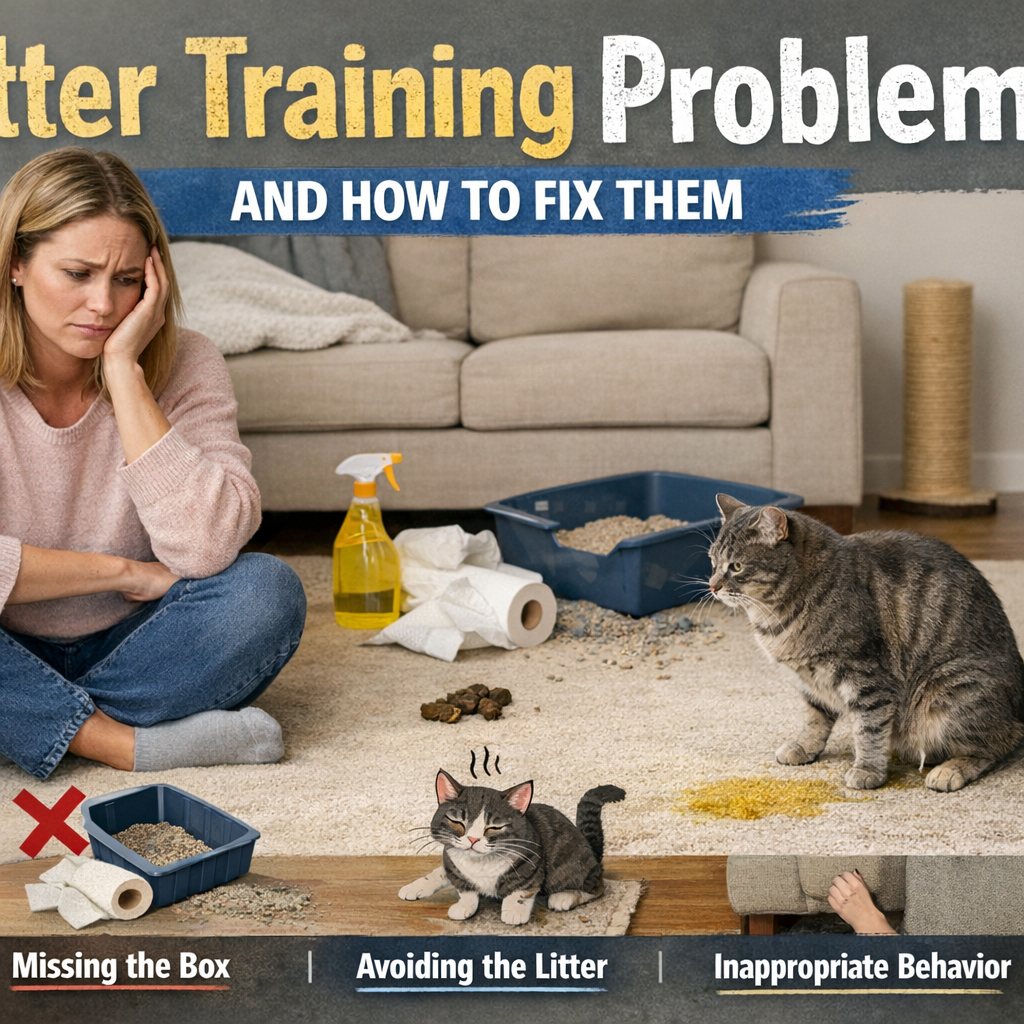
Litter Training Problems and How to Fix Them
Introduction
Litter training is an important step for pet owners, especially those with cats or small animals. It’s a process that teaches your pet where to eliminate appropriately, helping ensure a clean and comfortable home environment. However, not every pet takes to litter training smoothly. Frustrating mishaps, repeated accidents, and avoidance behaviors are common struggles many owners face. If you’re experiencing litter training problems, don’t worry—understanding the underlying issues and knowing how to address them can make all the difference.
Common Litter Training Issues and Their Causes
Before applying solutions, it’s crucial to pinpoint the cause behind your pet’s litter box problems. Common litter training issues include:
1. Refusing to Use the Litter Box
Pets may avoid the litter box altogether, preferring to eliminate elsewhere in the house. This could be due to a dirty box, an unsuitable location, or stress.
2. Inconsistent Use
Some pets alternate between using the litter box and going elsewhere. This could be linked to changes in routine, multiple pets, or health issues.
3. Spraying or Marking
Cats, in particular, may spray or mark territory outside the litter box, especially if they’re anxious or if the box feels unsafe.
4. Digging Excessively or Litter Kicking
Overly enthusiastic digging or kicking litter out of the box can be messy. This may indicate discomfort with the litter type or box size.
Fixing Litter Training Problems
1. Choose the Right Litter Box and Litter
The type and size of the litter box matter. Make sure the box is large enough for your pet to turn around easily. Covered boxes may trap odors, while open ones offer more space but less privacy. Experiment with different types of litter—clumping, non-clumping, scented, or unscented—to see which your pet prefers.
2. Keep the Litter Box Clean
Scoop the box daily and wash it with mild soap every week. Dirty litter boxes are a major deterrent. Also, replace the litter completely on a regular schedule to keep things fresh.
3. Optimal Box Placement
Place the litter box in a quiet, low-traffic area. Avoid placing it near loud appliances or the pet’s food and water bowls. For homes with multiple pets, ensure there’s a litter box for each animal, plus one extra if possible.
4. Address Stress and Anxiety
Changes in the household, such as moving or introducing a new pet, can cause stress-related litter box avoidance. Help your pet adjust by maintaining a routine and providing plenty of enrichment. Feliway diffusers or pheromone sprays can sometimes help calm cats.
5. Medical Check-Up
Sometimes, what seems like a training issue is actually a sign of illness. Urinary tract infections, bladder stones, or digestive problems can cause unusual elimination behaviors. If litter box issues persist despite environmental fixes, consult your veterinarian.
6. Use Positive Reinforcement
Never punish your pet for accidents. Instead, reward them with treats and praise when they use the box correctly. Patience and encouragement will create positive associations with the litter box.
7. Revisit Training Basics
For some pets, a refresher course in litter training is necessary. Gently place your pet in the litter box after meals or naps, especially for kittens or newly adopted animals. Be patient as they learn or re-learn the desired behavior.
Conclusion
Litter training problems can feel overwhelming, but with a little investigation and patience, most issues can be resolved. By choosing the right supplies, maintaining cleanliness, and supporting your pet emotionally and physically, you’ll foster better litter habits. Remember, persistent issues may require professional help, so never hesitate to contact your vet.
For pet parents looking for extra support and expert advice, apps like Luccy are making pet care easier than ever. Luccy employs AI to help you track health, routines, and provide tailored tips for you and your furry friends. For all your pet care essentials, consider giving Luccy a try—because keeping your pet happy and healthy starts at home.