






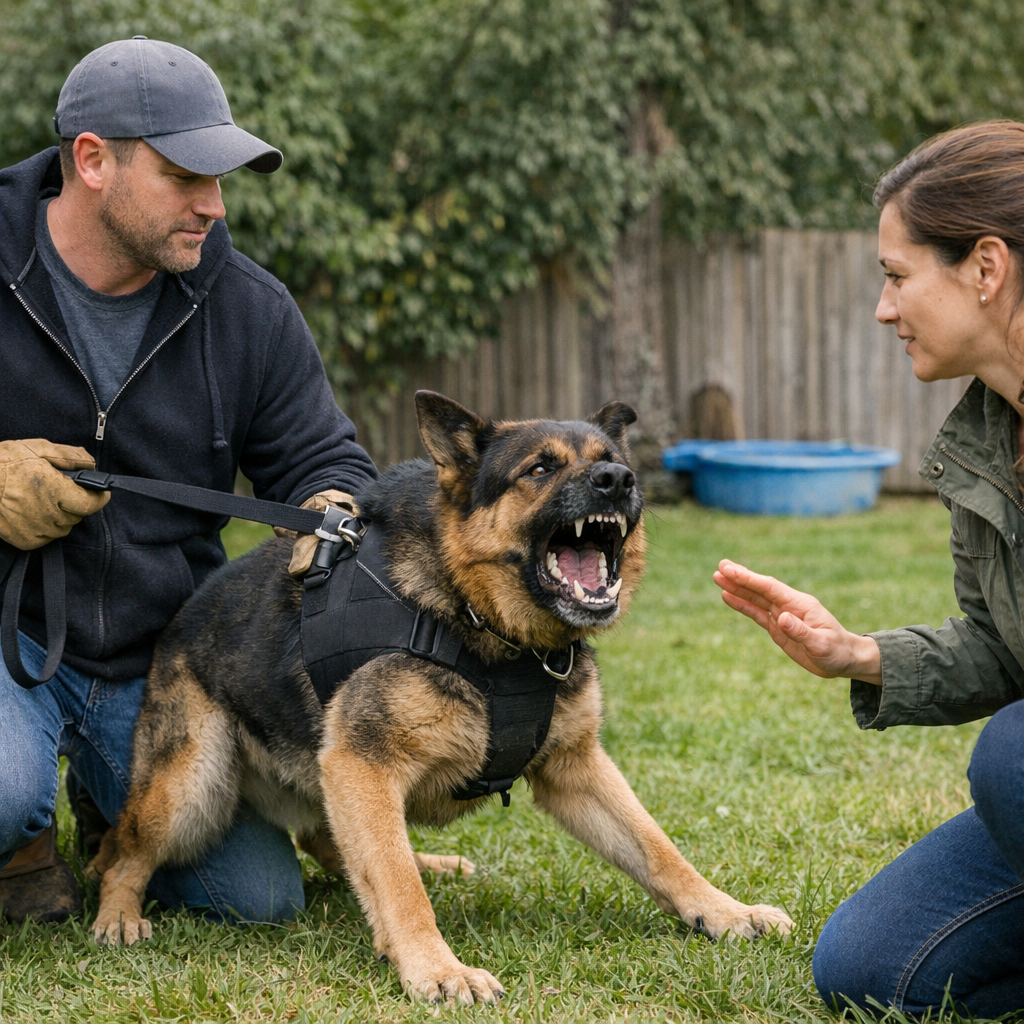
Managing Aggressive Behavior in Dogs Safely: A Comprehensive Guide
Introduction
Aggressive behavior in dogs is a concern that many pet owners face at some point. Whether it manifests as growling, barking, snapping, or lunging, aggression can be alarming and, if unmanaged, dangerous. Understanding the causes behind canine aggression and learning to address it effectively and safely is crucial for creating a harmonious relationship between you and your furry companion. In this guide, we’ll dive into proven techniques for managing aggressive behavior in dogs safely.
Understanding the Roots of Dog Aggression
Canine aggression doesn’t occur without reason. It’s often a sign of underlying issues such as fear, anxiety, territoriality, possessiveness, pain, or a lack of socialization. Some common triggers include:
– Fear of people, other animals, or specific situations
– Protectiveness over food, toys, or territory
– Medical conditions causing discomfort or pain
– Past trauma or neglect
– Lack of training or clear boundaries
Pinpointing the root cause plays a central role in determining the best management strategy.
Prioritizing Safety First
Before tackling aggressive behavior, it’s vital to ensure the safety of both your dog and those around them. Here are key safety tips:
– Use a sturdy leash and well-fitted harness during walks
– Avoid putting your face near your dog’s face if they seem agitated
– Use baby gates or crates to create safe spaces and prevent unwanted interactions
– Never punish aggression physically, as this can worsen the issue
– Consult a professional if you feel unequipped to handle aggressive behaviors
Effective Training and Behavior Modification Techniques
When managing aggression in dogs, positive reinforcement and patience are essential. Here are effective strategies to consider:
1. Socialization
Expose your dog to different environments, people, and pets from a young age, but always do so at their own pace. Controlled socialization helps reduce fears and insecurities.
2. Desensitization and Counterconditioning
Slowly and systematically expose your dog to the trigger causing aggression, pairing it with positive experiences like treats or praise. Over time, this helps change their emotional response.
3. Command Training
Teaching basic commands such as “sit,” “stay,” “leave it,” and “come” can help you manage your dog’s behavior and divert their attention away from potential triggers.
4. Managing Triggers
If certain situations provoke aggression, try to avoid or minimize these triggers. If your dog struggles with strangers, for instance, keep them in a separate room when guests arrive.
5. Professional Help
Consider working with a certified dog trainer or animal behaviorist, especially for severe or unmanageable aggression. They can tailor a behavior-management plan specific to your dog’s needs.
Recognizing Medical Causes of Aggression
Sometimes, dogs display aggressive behavior due to underlying medical issues such as pain from arthritis, dental problems, neurological disorders, or hormonal imbalances. If your dog’s behavior changes suddenly, schedule a veterinary checkup to rule out health concerns.
Creating a Calm Environment at Home
A peaceful home environment goes a long way in reducing stress that can trigger aggressive behavior. Here’s how to maintain tranquility:
– Establish routines for feeding, exercise, and sleep
– Provide plenty of physical and mental stimulation
– Create a designated “safe zone” where your dog can retreat to relax
– Use calming aids like pheromone diffusers if needed
When to Seek Professional Support
If aggression continues to escalate or if your dog poses a risk to themselves or others, professional help is essential. Certified animal trainers and behaviorists have specialized knowledge to handle complex cases. Combining veterinary care, training, and a supportive home environment often yields the best results.
Conclusion
Managing aggressive behavior in dogs requires commitment, understanding, and the right strategies. By prioritizing safety, addressing root causes, employing positive reinforcement, and seeking professional support when needed, you can foster a healthy and rewarding relationship with your pet. Remember, every dog is unique, and patience is key.
Finally, if you’re looking for tools to support your journey in pet care, consider integrating technology to make things easier. Our app “Luccy” is designed to assist with pet care essentials, offering personalized insights and support through AI to help you better understand and care for your furry friend. While technology can’t replace professional advice, Luccy can be a valuable tool as you navigate the challenges and joys of pet ownership.