






The Ultimate Guide to Pet Nutrition
Introduction
Every pet owner wants their furry companion to live a long, healthy, and happy life. One of the most crucial elements to achieving this is providing the right nutrition. Good pet nutrition not only supports your pet’s growth and development but also strengthens their immune system, boosts energy levels, and prevents diseases. However, with the overwhelming array of pet food options and conflicting advice, understanding what your pet really needs can be challenging. This ultimate guide breaks down everything you need to know about pet nutrition, making it easy for you to make informed decisions for your four-legged friend.
Understanding Your Pet’s Nutritional Needs
Just like humans, pets require a balanced diet to stay healthy, but their dietary needs can vary significantly depending on their species, age, size, breed, and activity level. Dogs and cats, the two most common pets, have different nutritional requirements. While dogs are omnivorous and can eat a wide variety of foods, cats are obligate carnivores, which means they rely mainly on animal-derived nutrients.
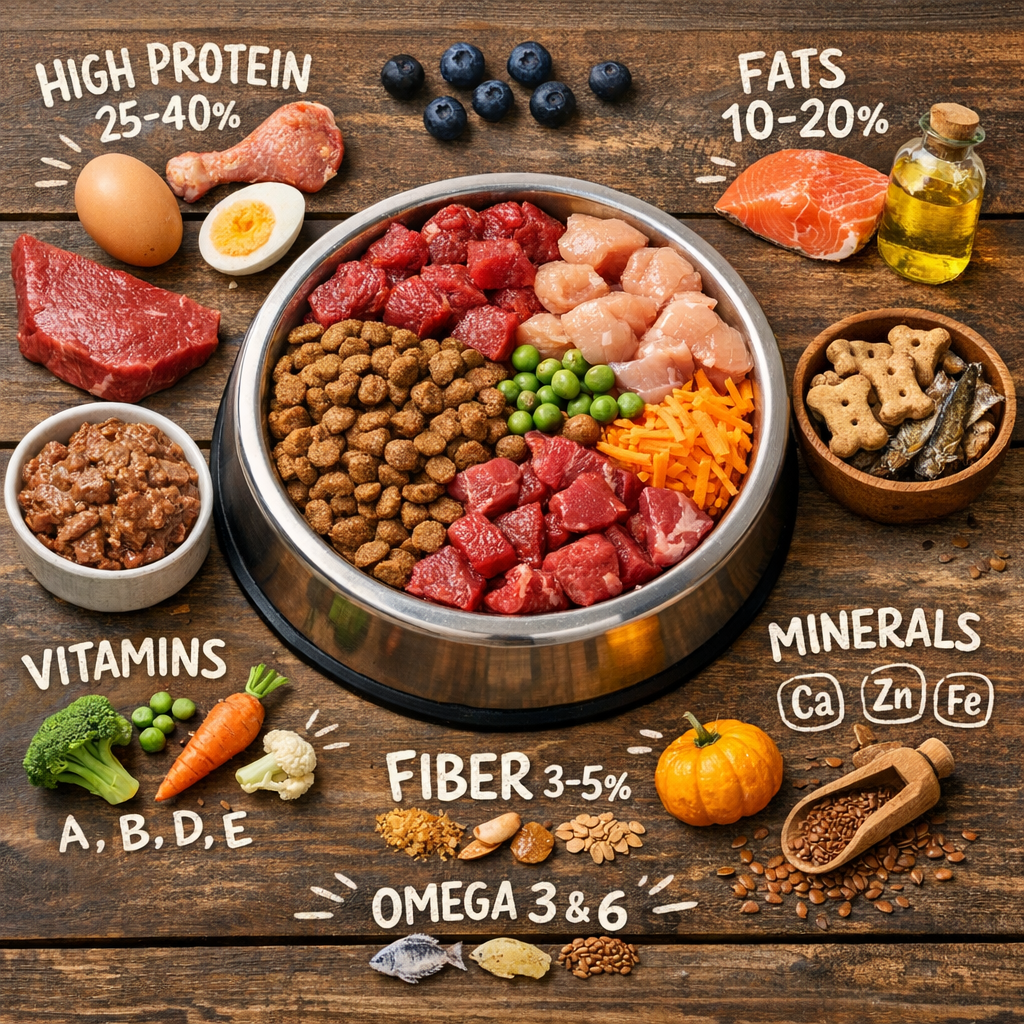
Pet food typically contains a balance of six main nutrient groups: proteins, fats, carbohydrates, vitamins, minerals, and water. Each serves a distinct function in your pet’s health.
Protein supports muscle growth and repair.
Fats provide energy and support skin and coat health.
Carbohydrates offer extra energy and aid in digestion.
Vitamins and minerals are vital for metabolic, bone, and immune health.
Water is essential for every bodily function.
The Importance of Life Stage Nutrition
Pets have varying nutritional needs at different stages of life. Puppies and kittens need calorie-dense foods rich in protein and healthy fats to fuel their rapid growth. Adult pets require a maintenance diet that gives them balanced nutrition without excess calories to avoid weight gain. Senior pets may benefit from foods that are easy to digest and contain ingredients that support joint health and organ function.
Always look for pet food labeled for your companion’s specific life stage—be it growth (puppy/kitten), maintenance (adult), or senior.
Choosing the Right Food: Kibble, Canned, or Raw?
There are different types of pet food available:
Kibble (dry food) is convenient, cost-effective, and helps reduce tartar buildup on teeth.
Canned (wet food) tends to have higher moisture content, which is beneficial for hydration, especially for cats.
Raw and home-cooked diets are gaining popularity but should only be prepared with guidance from a veterinary nutritionist to ensure balance and safety.
Always read the label. Look for brands that disclose a named source of protein (like chicken or lamb), meet AAFCO (Association of American Feed Control Officials) standards, and avoid fillers or artificial preservatives.
Understanding Food Labels
Navigating pet food labels can be confusing. Check for real meat, easily identifiable ingredients, and a clear indication that the food is “complete and balanced” according to AAFCO standards. Avoid products with excessive fillers, by-products, artificial flavors, and questionable additives.
Special Diets and Food Allergies
Some pets require special diets due to health conditions such as kidney disease, obesity, or diabetes. Others may have food allergies or sensitivities, often triggered by grains, certain proteins, or additives. If your pet experiences symptoms like itching, vomiting, or diarrhea, consult your veterinarian. A food trial or elimination diet may be necessary to identify the culprit.
The Role of Treats and Supplements
While treats are a great tool for training and bonding, they should represent no more than 10% of your pet’s daily caloric intake to avoid unhealthy weight gain. Choose healthy, natural treats and avoid those with artificial additives.
Most commercially prepared pet foods contain all the necessary vitamins and minerals, but some pets with specific medical needs may benefit from supplements. Always consult your veterinarian before adding any supplements to your pet’s diet.
Keeping Your Pet Hydrated
Water is crucial to your pet’s health. Ensure fresh, clean water is always available, and monitor their water intake, especially if they’re on a dry food diet. Cats, in particular, can be prone to urinary problems if they don’t drink enough water.
Consulting with Your Veterinarian
Before changing your pet’s diet, always consult your veterinarian. They can help you assess your pet’s health, make dietary recommendations, and monitor for any adverse reactions when transitioning to new foods.
Conclusion
Nutritious food is the foundation of a happy, healthy pet. By understanding your pet’s unique needs, choosing high-quality foods, and keeping their diet balanced throughout their life stages, you can enrich their quality of life and strengthen your bond.
Staying informed and vigilant about your pet’s nutrition doesn’t have to be overwhelming. With modern tools like Luccy, you can streamline pet care and receive tailored feeding advice powered by AI—so you always know you’re choosing what’s best for your beloved companion. Download Luccy to access personalized pet care recommendations and ensure your furry friend thrives every day.