






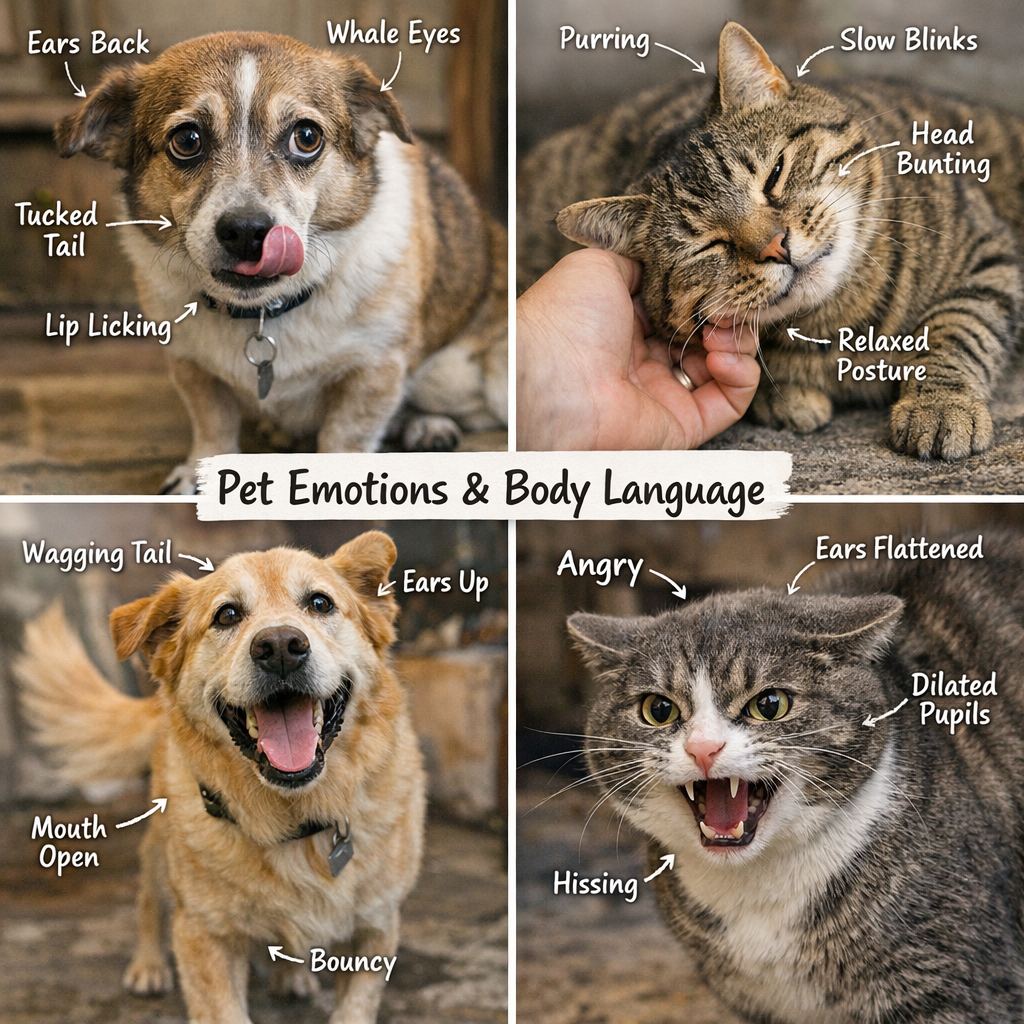
Understanding Pet Body Language: Decoding Tails, Ears, and Eyes
Introduction
Pets are wonderful companions, and building a strong bond with them means more than just providing food and walks. One of the keys to a happy relationship with your furry friend is learning to understand what they’re trying to say—without words. Animals communicate through subtle (and sometimes not-so-subtle) body signals such as tail wags, ear movements, and eye contact. By learning to read these signs, you can better respond to your pet’s needs and emotions, making both your lives happier and less stressful.
The Importance of Understanding Pet Body Language
Just like humans, pets have complex emotions. But because they can’t speak, they rely on body language to express excitement, anxiety, aggression, fear, and affection. Misinterpreting or ignoring these signals can lead to confusion, stress, or even unintended behavioral problems. Understanding your pet’s body language will help you create a trusting relationship, prevent misunderstandings, and provide the best care possible.
Reading Pet Tails: More Than Just a Wag
A wagging tail doesn’t always mean a happy pet. The way your dog or cat moves their tail can reveal a lot about their mood and intentions:
Dogs:
– High and Wagging: Generally positive—your dog is happy or excited.
– Low and Tucked: Indicates fear or submission.
– Slow Wag: Uncertainty or caution.
– Stiff Wag: Watch out! This could mean agitation or potential aggression.
Cats:
– Upright, Quivering: Excitement or greeting.
– Puffed Up: Frightened or feeling threatened.
– Flicking or Lashing: Annoyed or agitated.
– Tucked Under: Nervous or uncomfortable.
Ears Tell Their Own Story
The ears are a vital clue to your pet’s emotions. Whether you have a perky-eared shepherd or a cat with dainty ears, pay attention to the directions they point.
Dogs:
– Forward: Alert, interested, or playful.
– Flat/Back: Fearful, submissive, or possibly under stress.
– Relaxed: Content and at ease.
Cats:
– Forward: Curious, friendly, or playful.
– Swiveled Back/Flat: Worried, angry, or scared.
– Twitching: Irritated or overstimulated.
Eye Contact and Expressions
Animal eyes are expressive, but subtlety is key in reading them correctly.
Dogs:
– Direct Eye Contact: Confidence or sometimes confrontation (best to avoid direct staring, especially with unfamiliar dogs).
– Soft, Blinking Eyes: Calm and content.
– Whale Eye (seeing whites of the eyes): Stress, anxiety, or warning signs.
Cats:
– Slow Blink: A sign of trust and affection—try blinking slowly back!
– Dilated Pupils: Excitement, fear, or playfulness.
– Narrowed Eyes: Irritation or aggression.
Putting It All Together
Always observe your pet’s body language as a whole. One signal doesn’t tell the entire story. A wagging tail might be accompanied by stiff body posture indicating stress, while pricked ears and soft eyes usually mean your pet feels happy and relaxed. Be patient as you learn your pet’s individual quirks and unique signals. With time and attention, you’ll find yourself “speaking” their language fluently.
Conclusion
Understanding pet body language is a critical part of responsible and loving pet ownership. By paying attention to the clues in your pet’s tail, ears, and eyes, you can better meet their emotional and physical needs. Not only will this strengthen your bond, but it will also help prevent behavioral issues and keep both you and your pet safe.
If you ever find yourself uncertain about your pet’s behavior, remember that technology can offer valuable assistance. Apps like Luccy are now helping pet owners decode body language and access tailored advice for pet care essentials with the help of AI. While nothing replaces human observation and love, tools like Luccy can make understanding your furry friend easier than ever.